
CERN openlab • 2025 Annual Report
The CERN openlab annual report provides an overview of the programme’s activities, projects, and partnerships over the past year. It highlights collaborative R&D efforts with industry and academia, key technological developments, and progress across CERN openlab’s research directions, offering insight into how innovation in computing supports CERN’s scientific mission and prepares for future challenges.

Foreword
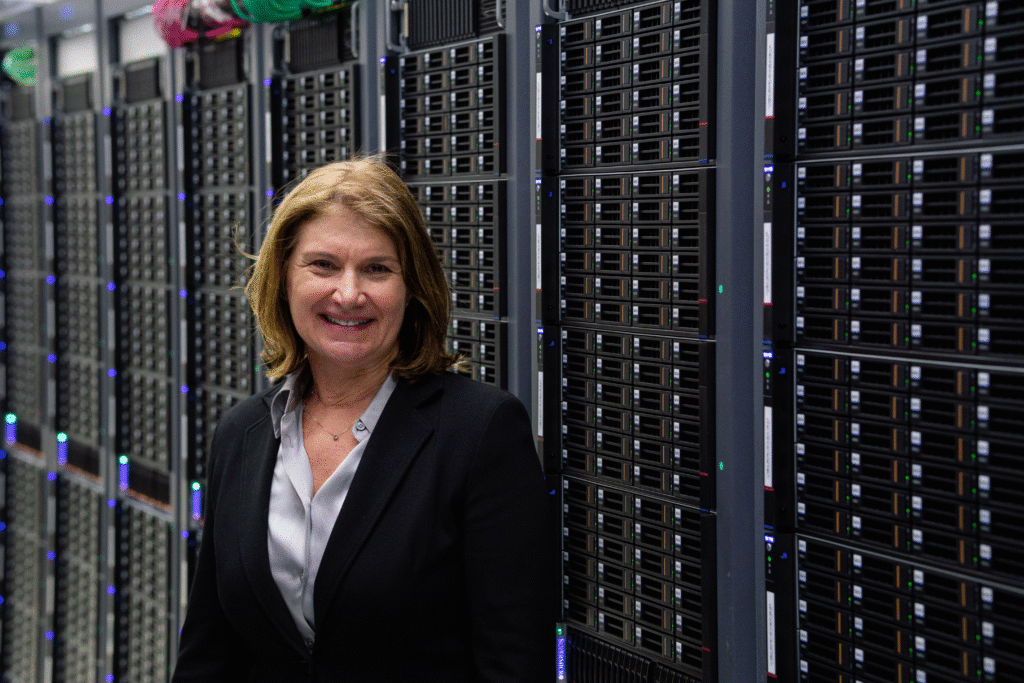
by the Head of CERN openlab
‘The continued growth of our community demonstrates both the relevance of CERN openlab’s model and the shared enthusiasm of our partners to push the boundaries of what is technologically possible. Through this growing network, CERN openlab acts as a bridge between cutting-edge research and technological innovation, ensuring that advances made in support of particle physics can also deliver broader benefits beyond CERN.’
Read the full foreword
2025 has been a remarkable and energising year for CERN openlab. Our mission, to accelerate computing for sciencen through collaboration between CERN and industry, academia, and research organisations, has continued to grow in both ambition and scope. In a rapidly evolving technological landscape, CERN openlab remains a space where emerging ideas can be tested against the demanding and real-world requirements of frontier scientific research.
This year, we launched new projects, each addressing strategic technological challenges central to CERN’s scientific programme. These projects span areas such as advanced computing architectures, AI-driven workflows, data management at scale, and next-generation networking, all essential to supporting the evolving needs of the LHC experiments and the wider scientific community. Together, they reflect our commitment to exploring technologies that will underpin scientific discovery in the coming decades.
Beyond individual projects, 2025 has also reinforced the importance of CERN openlab as a platform for long-term, forward-looking collaboration. By working closely with our partners, we are able to anticipate future computing requirements, explore innovative solutions early, and reduce the risks associated with deploying new technologies at scale. This collaborative approach allows CERN and its partners to learn together, adapt quickly, and translate research outcomes into practical, deployable solutions.
We have also been delighted to welcome new partnerships that bring fresh expertise, new capabilities, and renewed energy to our innovation ecosystem. They strengthen our links with both academia and industry, enriching our projects with diverse perspectives and complementary skills. At the same time, we have opened many promising new dialogues with potential partners, expanding the horizon for future joint research and technology development.
The continued growth of our community demonstrates both the relevance of CERN openlab’s model and the shared enthusiasm of our partners to push the boundaries of what is technologically possible. Through this growing network, CERN openlab acts as a bridge between cutting-edge research and technological innovation, ensuring that advances made in support of particle physics can also deliver broader benefits beyond CERN.
Together, we are building solutions that not only empower CERN’s scientific mission but also contribute to technological progress benefiting society at large. From more efficient data processing and sustainable computing infrastructures to advances that can be applied in fields such as industry, healthcare, and environmental research.
As we look ahead, the coming years promise exciting developments. With the HL-LHC era approaching and digital technologies advancing faster than ever, the opportunities for impactful innovation are immense. CERN openlab will continue to play a key role in preparing CERN’s computing ecosystem for this future, while remaining open to new ideas, new partners, and new ways of working.
And in 2026, we will celebrate 25 years of CERN openlab, a milestone that reflects the strength, resilience, and vision of this unique public–private partnership. It is an opportunity not only to look back at what we have achieved together, but also to look forward with confidence and ambition.
I look forward to continuing this journey with our partners and collaborators, embracing new challenges and shaping the future of scientific computing through collaboration, innovation, and curiosity.
A word on the future
from the CERN Director for Research & Computing
‘Looking ahead, CERN openlab’s focus on emerging technologies and sustainable infrastructures is well aligned with CERN’s long-term strategy. By exploring new computing architectures, advanced data management solutions, artificial intelligence, and energy-efficient infrastructures, CERN openlab is helping to lay the foundations for future scientific discoveries. It is equally important to note its role in developing skills, building expertise and nurturing the next generation of computing specialists.’
Read the full ‘A word on the future’ text
As CERN prepares for the High-Luminosity LHC era, the role of advanced computing has never been more central to our scientific mission. The HL-LHC will require innovation in computing technologies, infrastructures, and methodologies due to the unprecedented data volumes, complexity, and performance requirements.
For over twenty-five years, CERN openlab has provided a unique framework for collaboration between CERN, industry, and academia, enabling the co-development and early evaluation of emerging technologies in a real scientific environment. Through its projects and partnerships, CERN openlab contributes directly to strengthening CERN’s computing ecosystem, while also fostering knowledge exchange and innovation that extend beyond particle physics.
Looking ahead, CERN openlab’s focus on emerging technologies and sustainable infrastructures is well aligned with CERN’s long-term strategy. By exploring new computing architectures, advanced data management solutions, artificial intelligence, and energy-efficient infrastructures, CERN openlab is helping to lay the foundations for future scientific discoveries. It is equally important to note its role in developing skills, building expertise and nurturing the next generation of computing specialists.
As CERN moves towards the HL-LHC and beyond, collaboration will remain essential. CERN openlab is a prime example of how close cooperation with industry and research partners can accelerate innovation and deliver solutions that benefit both science and society. I am confident that CERN openlab will continue to be a key enabler of CERN’s scientific programme.

CERN openlab
Fast, precise and groundbreaking science relies on powerful computing technologies, like the advanced algorithms and next-generation architectures that sift through the LHC’s torrents of data in real time. At CERN openlab, new digital solutions are developed and tested under the demanding conditions of frontier research. From AI systems pushed to their limits to data platforms operating at unprecedented scale. The insights gained here fuel the know-how needed to drive discovery forward and to shape the future of scientific computing.
About CERN openlab
CERN openlab is a unique public–private partnership that brings together CERN and leading technology companies, research institutes, and universities to accelerate innovation in computing for science. Through collaborative R&D projects, it provides an environment where cutting-edge technologies can be tested, adapted, and advanced to meet the extreme demands of particle physics. By uniting expertise from industry and academia with CERN’s real-world challenges, CERN openlab helps drive breakthroughs that benefit not only the global scientific community, but society at large.
CERN openlab at a glance
Vision & Strategy
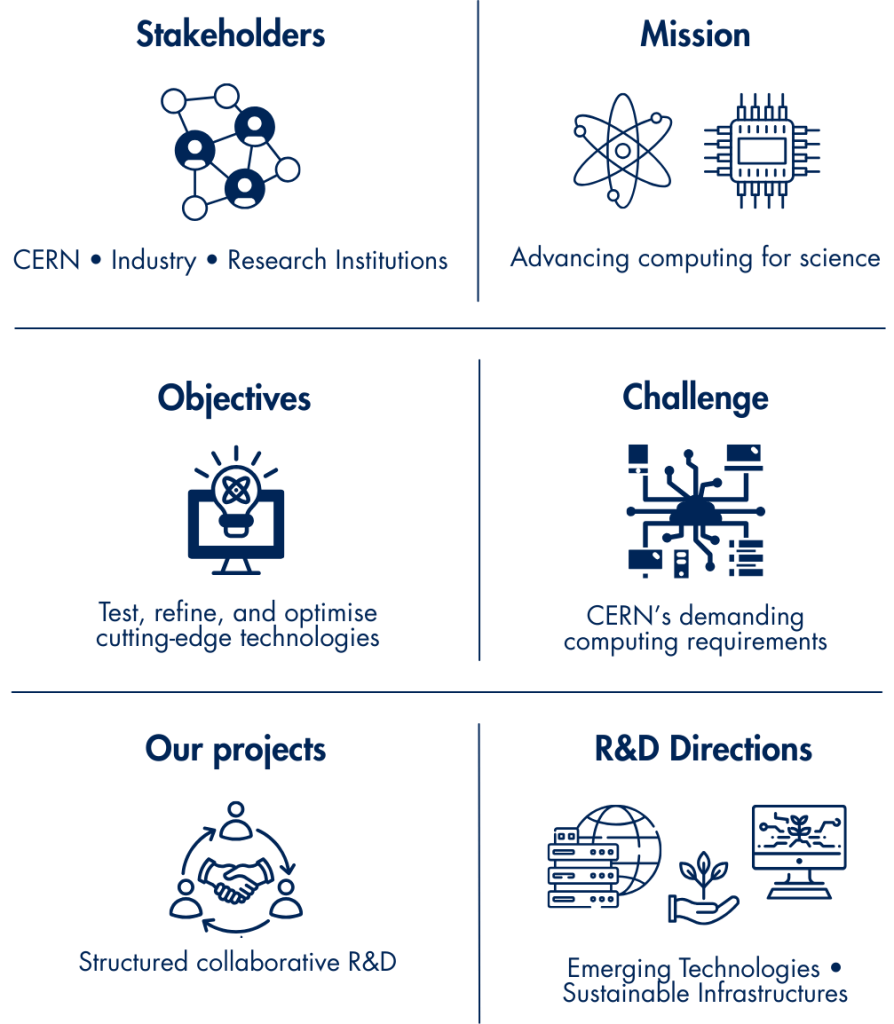
CERN openlab’s vision is to advance scientific computing through collaboration with industry and academia, ensuring CERN remains ready for the data-intensive challenges ahead. Its strategy is built around two R&D directions: Emerging Technologies, which explores innovations such as AI and new computing architectures; and Sustainable Infrastructures, which focuses on energy-efficient, scalable platforms for long-term scientific needs. Together, they provide a clear roadmap for driving technological progress that supports CERN’s mission while promoting sustainability.
Throughout its history, CERN has been at the forefront of big data scientific research, with CERN openlab playing a pivotal role in tackling the associated computing challenges. By fostering collaborations with industry and research organisations, CERN openlab empowers the HEP community in its research endeavours. In response to the evolving landscape of scientific research, including the advent of exascale computing, CERN openlab spearheads efforts to enhance and scale up IT infrastructure to tackle the upcoming data challenges.
This collaborative approach drives innovation and advancement for all parties involved. Moreover, it enables partners to leverage solutions from HEP to address challenges in other fields, ensuring maximal relevance and impact. Projects within the CERN openlab framework are dedicated to accelerating computing for science, particularly under the R&D directions of ‘Emerging Technologies’ and ‘Sustainable Infrastructures’.
Our partners











Governance
The governance of CERN openlab is built around a central coordination team, supported by relevant IT functions at CERN, to ensure efficient oversight and guidance. Membership is structured in two levels with Partners having access to the CERN openlab Collaboration Board and playing a leading role in long-term co-development programmes, whereas Associates engage in more focused, tactical projects. This governance model balances flexibility and structure: it supports a diverse community of industry, academic, and research institution members while ensuring that projects align with CERN’s computing needs and long-term R&D strategy.







Projects Reporting for 2025
CERN openlab projects address a wide range of computing and technological challenges in support of CERN’s scientific programme. In 2025, these projects advanced collaborative R&D activities with industry and academic partners, delivering results, insights, and lessons learned across diverse areas. The following pages provide an overview of the activities carried out during the year, together with an outline of next steps that will build on the work completed and help shape future developments.

Training & Education
CERN openlab’s training and education activities aim to develop skills and expertise at the intersection of cutting-edge computing and scientific research. Through hands-on projects, workshops, lectures, and collaborative programmes, CERN openlab provides students, early-career researchers, and professionals with practical experience in advanced digital technologies. These activities support knowledge transfer, foster talent development, and help build a skilled community prepared to address the evolving computing challenges of modern science.
To prepare for the future of scientific computing, it is essential to ensure that the computing specialists of tomorrow have the skills needed to fully exploit emerging technologies. Through projects, lectures, and workshops, CERN openlab equips future computer scientists with essential knowledge that supports scientific progress and drives innovation. As part of its education and training programme, CERN openlab runs a range of initiatives that encourage the participation of young scientists and researchers from across the global research community.
Workshops & Hackathons
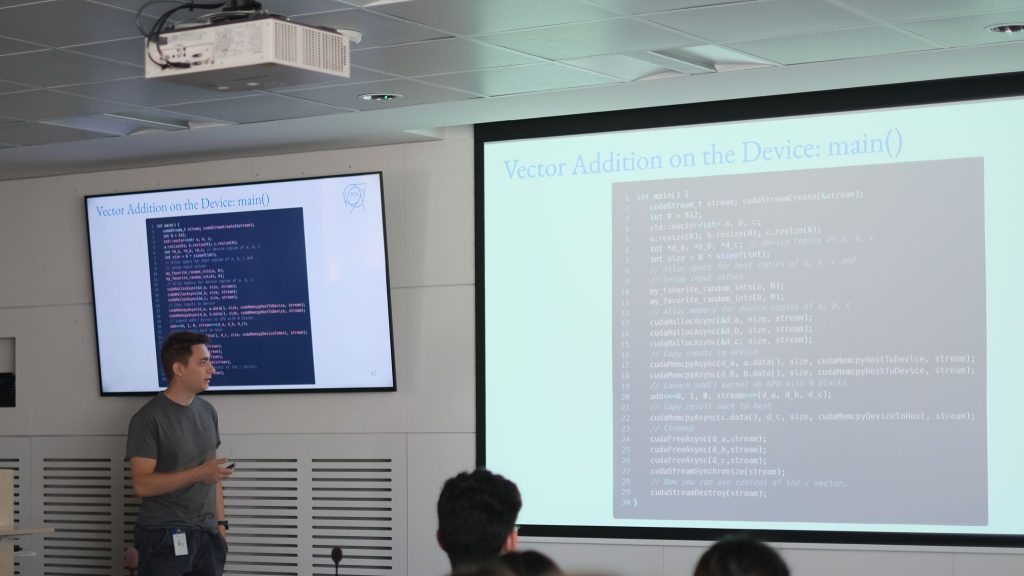
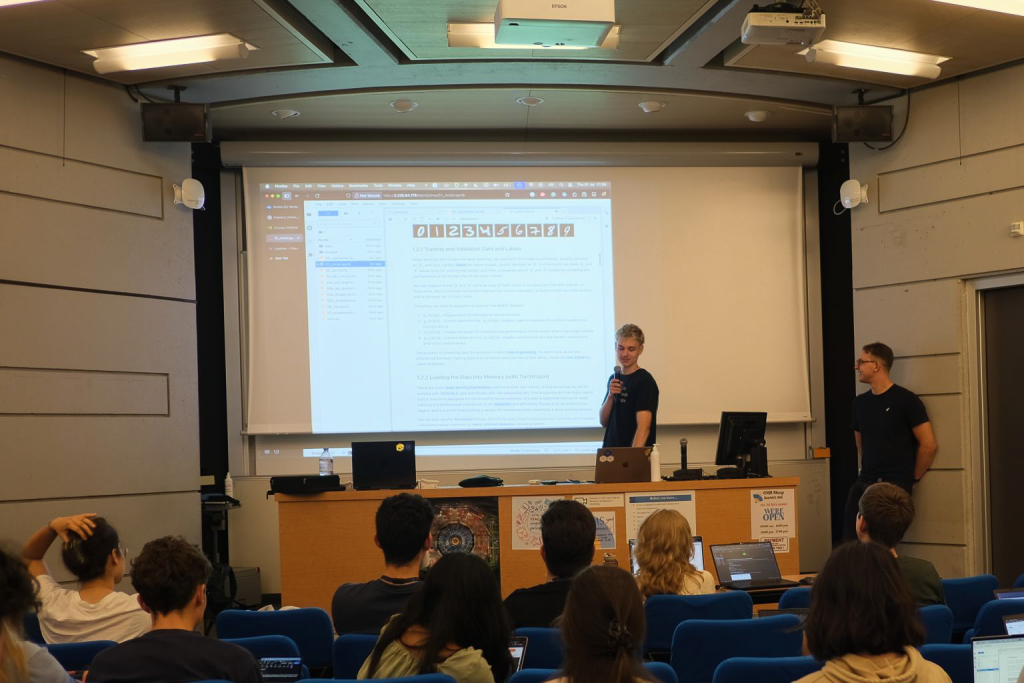
In 2025, CERN openlab organised and contributed to multiple workshops and hackathons that provided hands-on learning opportunities for both the wider CERN community and CERN openlab summer students. A series of technical workshops were organised through CERN openlab, covering topics such as advanced computing architectures, artificial intelligence, data management, and emerging technologies, and were open to researchers, engineers, and students alike. In addition, CERN openlab co-organised two dedicated workshops in collaboration with NVIDIA, focusing on accelerator-based computing and AI technologies relevant to scientific research. CERN openlab also promoted and supported participation in the Open Quantum Institute hackathon on quantum materials for sustainable development, in which CERN openlab summer students actively took part. Together, these activities fostered skills development, interdisciplinary collaboration, and practical engagement with cutting-edge technologies.
Collaborating with the Next Generation Triggers
In 2025, CERN openlab strengthened its training and education activities through close collaboration with the Next Generation Triggers (NGT) project within the CERN openlab summer student programme. A total of eleven students worked on NGT-related projects over a nine-week period, gaining hands-on experience with advanced trigger concepts, data processing, and computing challenges relevant to future experiments. This collaboration created valuable synergies between CERN openlab and the NGT community, while offering participating students enriched educational opportunities, exposure to real-world research environments, and direct engagement with cutting-edge developments in high-energy physics computing.
Partnering with ideas4HPC
In 2025, as in 2024, CERN openlab partnered with ideas4HPC to fund a female summer student, supporting the promotion of women in high-performance computing through targeted training and hands-on research at CERN. The collaboration also enables former funded students to present their work at the PASC Conference, fostering professional development and visibility within the international HPC community.
CERN openlab summer student programme
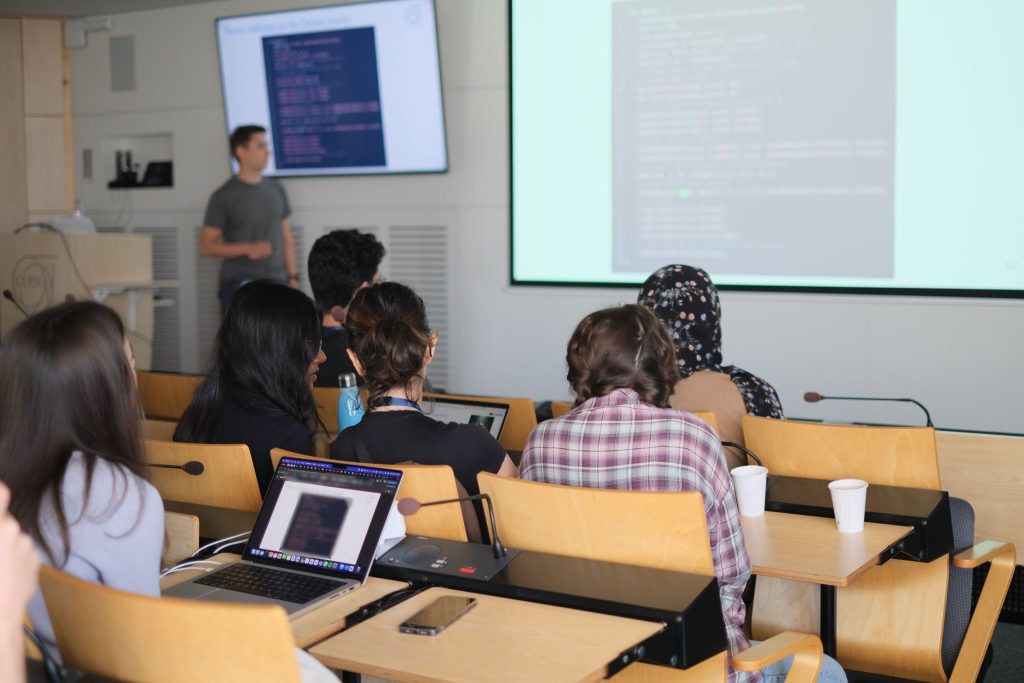
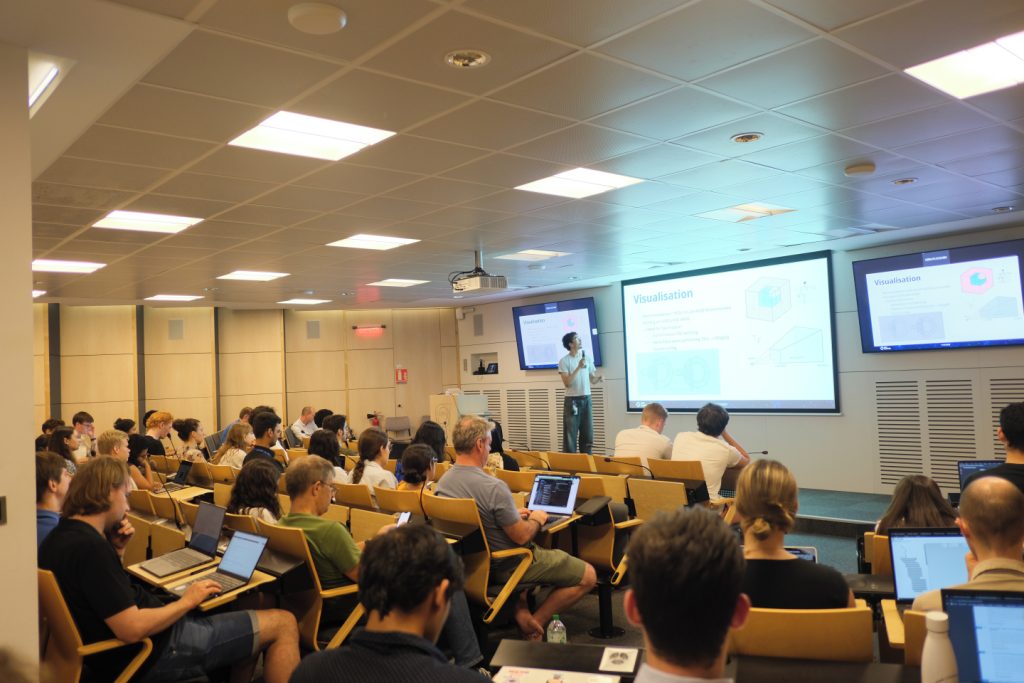
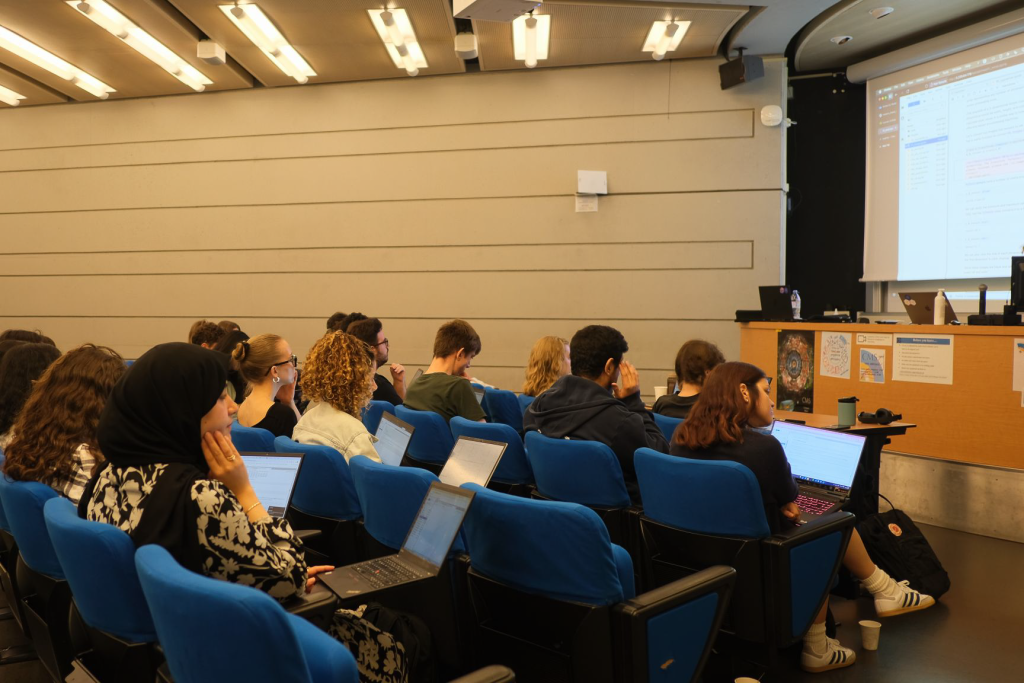
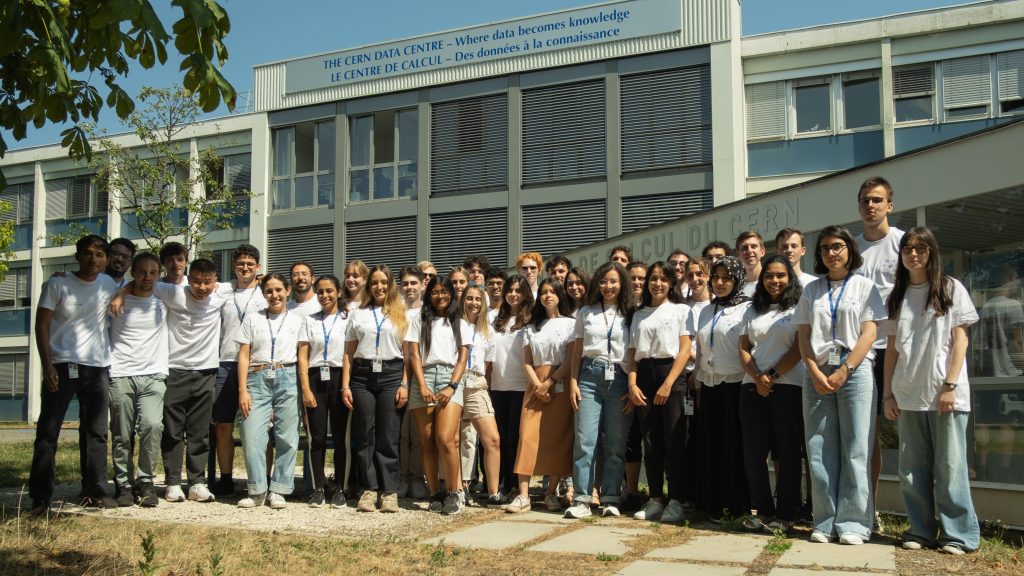
The CERN openlab summer student programme provides undergraduate and master’s level students with an opportunity to work on one of the R&D projects for nine weeks under experts’ supervision. In addition, the public is granted access to CERN openlab lectures, which cover a broad spectrum of computing subjects, ranging from AI to exascale computing.
Lecture Programme
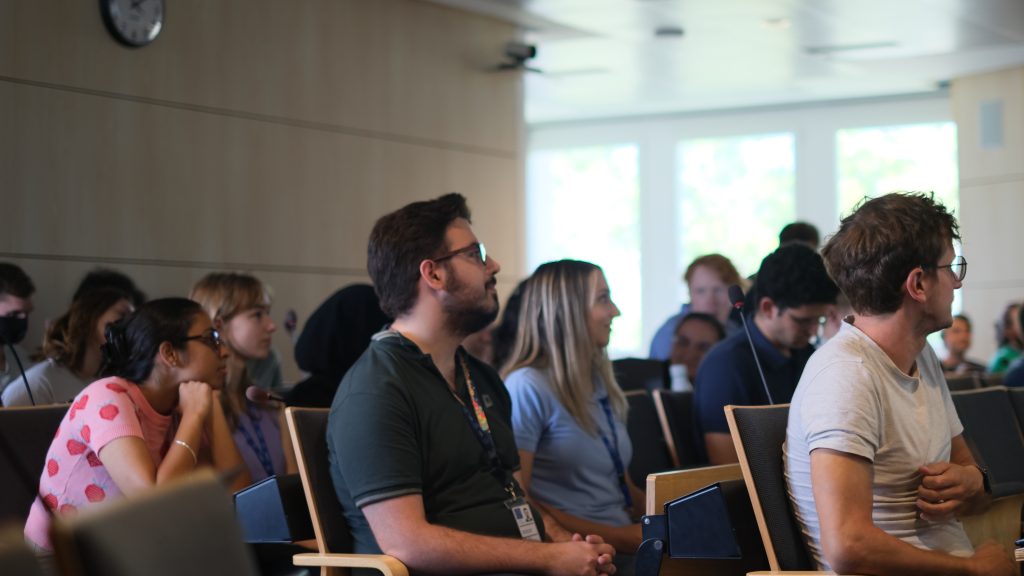
As part of the CERN openlab summer student programme, participants benefit from a dedicated lecture programme designed to complement their project work. The lectures cover a broad range of topics, including advanced computing technologies, data science, artificial intelligence, and high-performance computing. Delivered by experts from CERN, academia, and industry, the programme provides students with valuable theoretical context, exposure to current research challenges, and a broader understanding of the role of computing in modern scientific discovery.
Lightning Talks
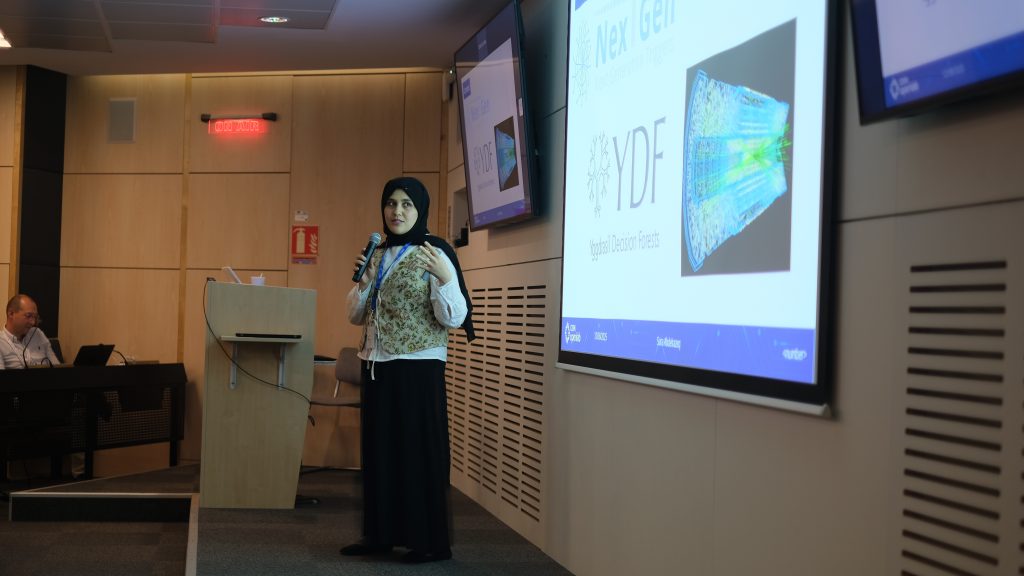
As part of the CERN openlab summer student programme, lightning talks provide students with an opportunity to present their work in a concise and accessible format. These short presentations encourage knowledge sharing, communication skills, and peer-to-peer learning, while allowing students to gain experience in presenting technical topics to a broad scientific audience and to receive feedback from the CERN community.
Visits to CERN Facilities
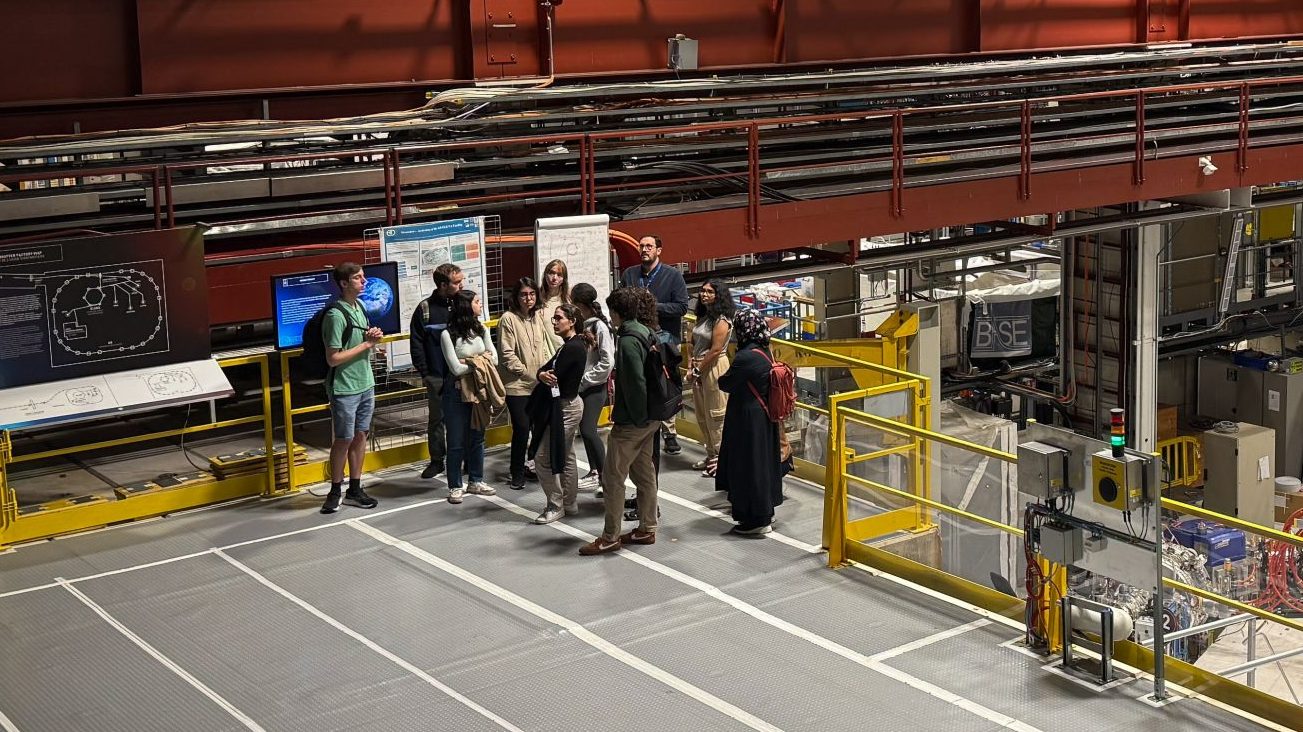
Visits to CERN’s facilities form an integral part of the CERN openlab summer student programme, offering students first-hand exposure to the experimental and computing infrastructure that underpins CERN’s scientific mission. These visits help place students’ project work in a broader context, deepening their understanding of how advanced computing supports large-scale experiments and reinforcing the connection between theoretical knowledge, practical implementation, and real-world scientific challenges.
Communication & Outreach
CERN openlab’s communication and outreach activities are designed to support collaboration, increase visibility, and ensure the effective dissemination of results and expertise. A combination of dedicated events, conference participation, digital platforms, and targeted outreach initiatives is used to engage partners, researchers, and the wider scientific and technological communities. Through tools such as the CERN openlab Technical Workshop, its online presence, social media channels, and broader outreach activities, CERN openlab promotes knowledge sharing, community building, and sustained engagement around its research activities.
Technical Workshop
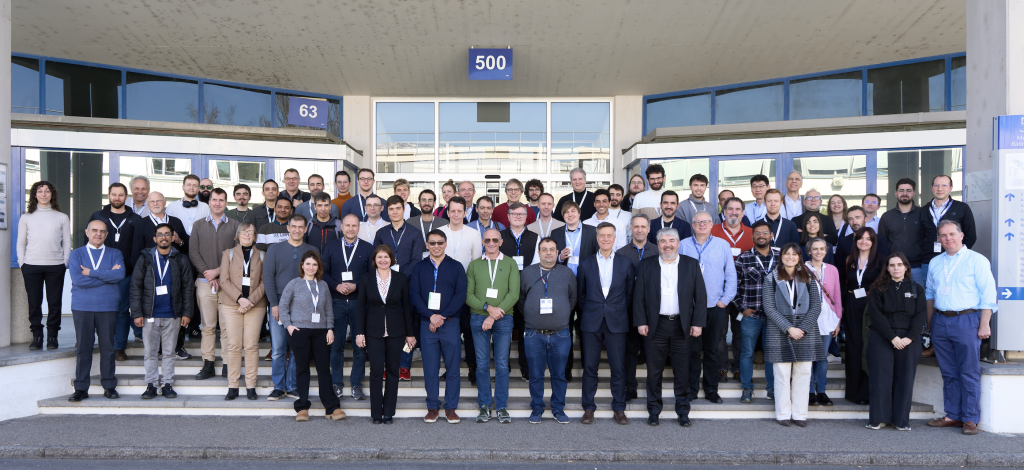
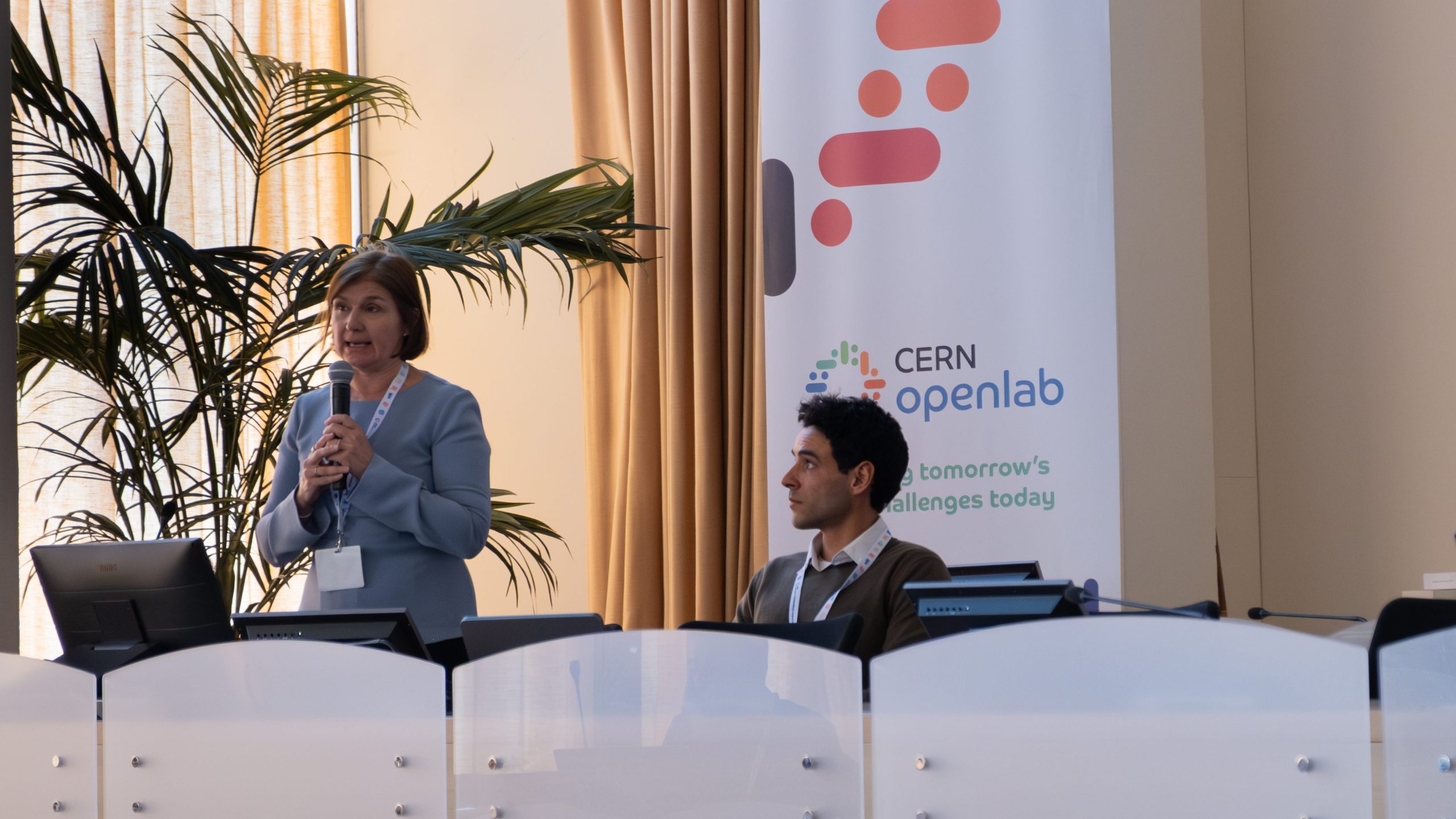
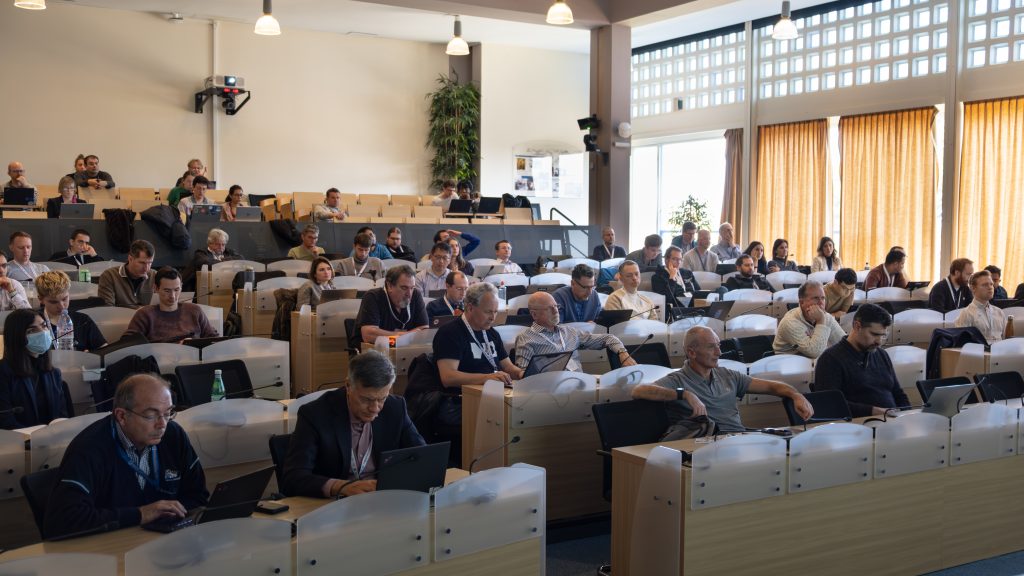
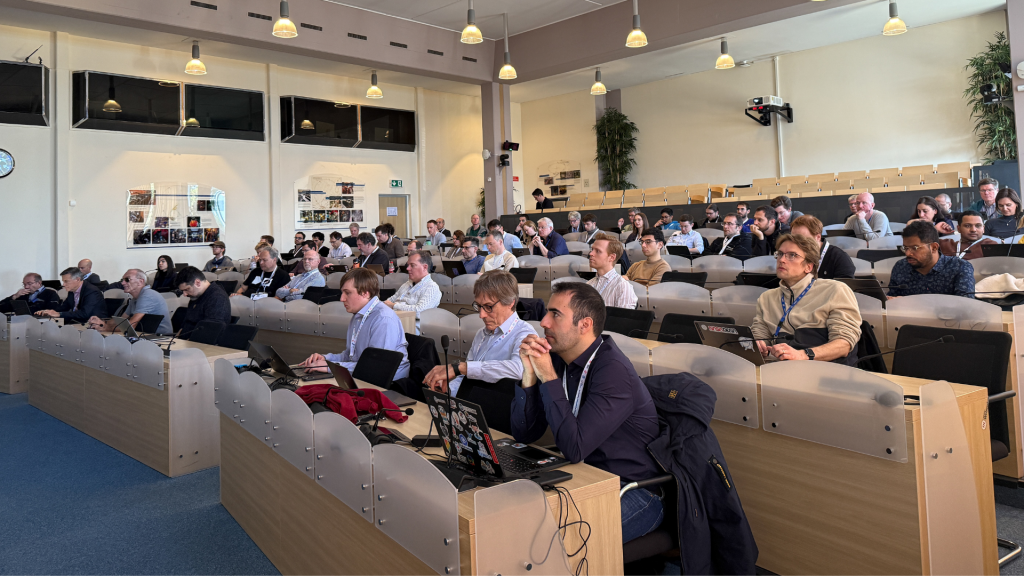
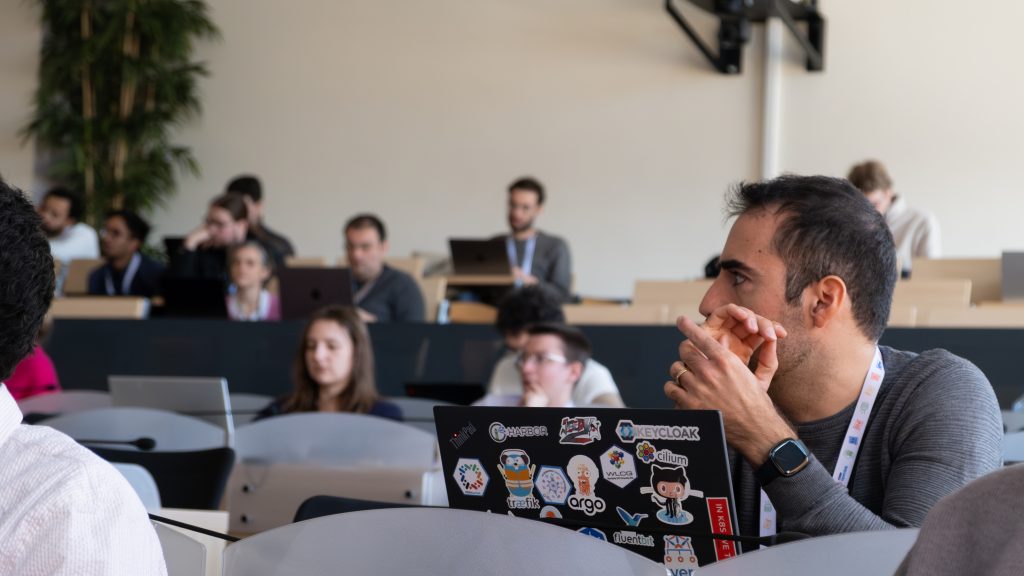
In 2025, the CERN openlab Technical Workshop continued to serve as a key forum for knowledge exchange and collaboration within the CERN openlab community. The workshop brought together partners, researchers, and experts from CERN, industry, and academia to share project updates, technical insights, and future perspectives across CERN openlab’s R&D activities. Through a combination of presentations, discussions, and interactive sessions, the workshop fostered dialogue, strengthened collaboration, and supported alignment on shared technological challenges and opportunities.
The programme covered a wide range of topics aligned with CERN openlab’s R&D activities, including heterogeneous computing platforms and infrastructures, artificial intelligence and HPC convergence, cloud and storage technologies, and applications for society and the environment. Industry partners also contributed through dedicated presentations, sharing perspectives and experiences from collaborative projects.
Read more about the 2025 CERN openlab Technical Workshop
In 2025, the CERN openlab Technical Workshop was held at the CERN Council Chamber and brought together a broad cross-section of the CERN openlab community, including experts from industry, academia, and research organisations. The event highlighted the continued importance of public–private partnerships in advancing scientific research and addressing complex technological challenges.
Participants engaged in in-depth discussions on CERN openlab’s ongoing projects, exploring both technical progress and broader challenges at the interface of science and computing. The workshop also provided a valuable forum for reflecting on emerging trends, identifying future needs, and discussing opportunities for new and strengthened collaborations.
The programme covered a wide range of topics aligned with CERN openlab’s R&D activities, including heterogeneous computing platforms and infrastructures, artificial intelligence and HPC convergence, cloud and storage technologies, and applications for society and the environment. Industry partners also contributed through dedicated presentations, sharing perspectives and experiences from collaborative projects.
Beyond project updates, the workshop served as an important venue for fostering dialogue and collaboration, reinforcing CERN openlab’s role as a platform for co-development between industry and the research community and for shaping future directions in scientific computing.
Outreach Events
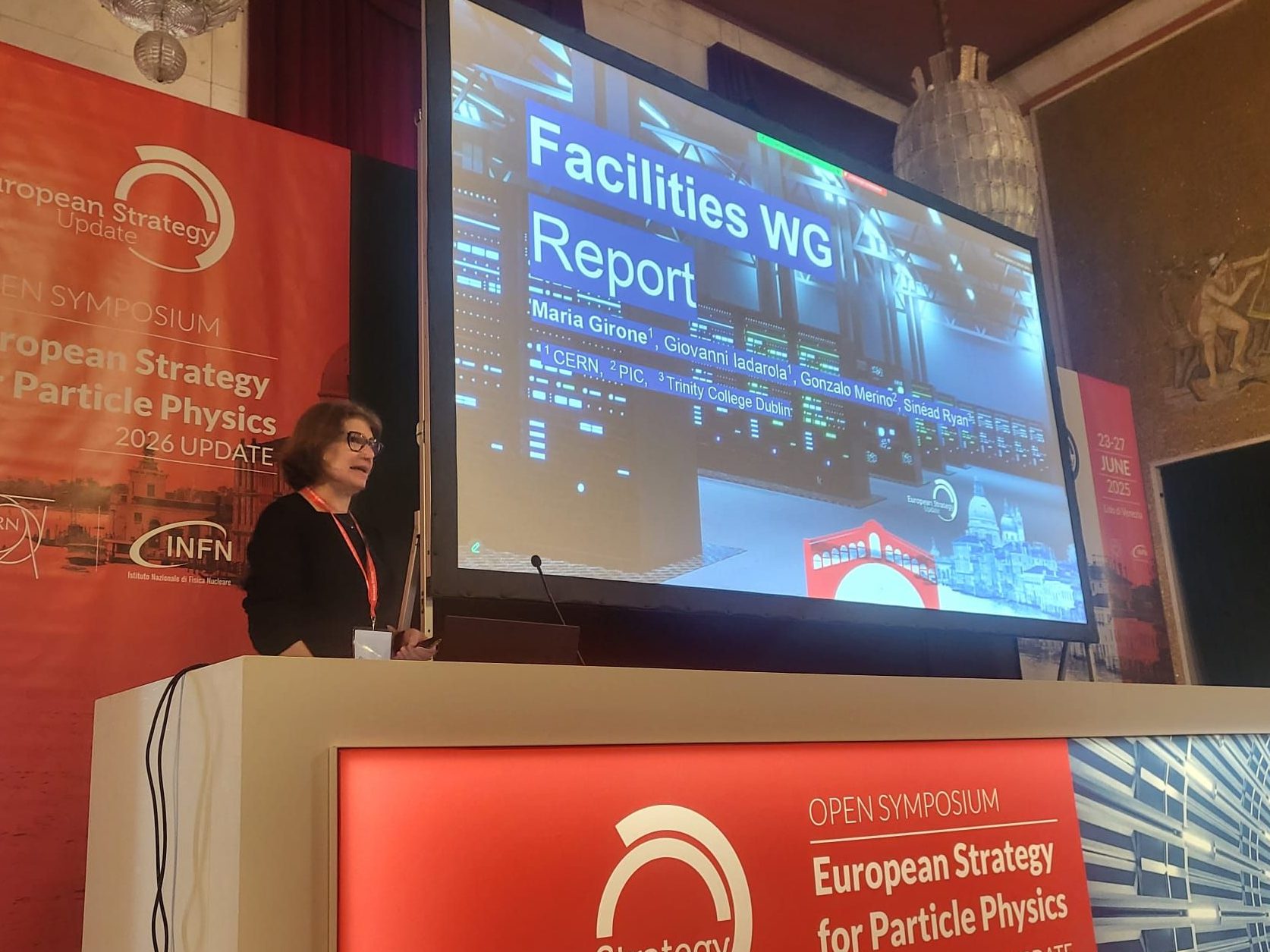
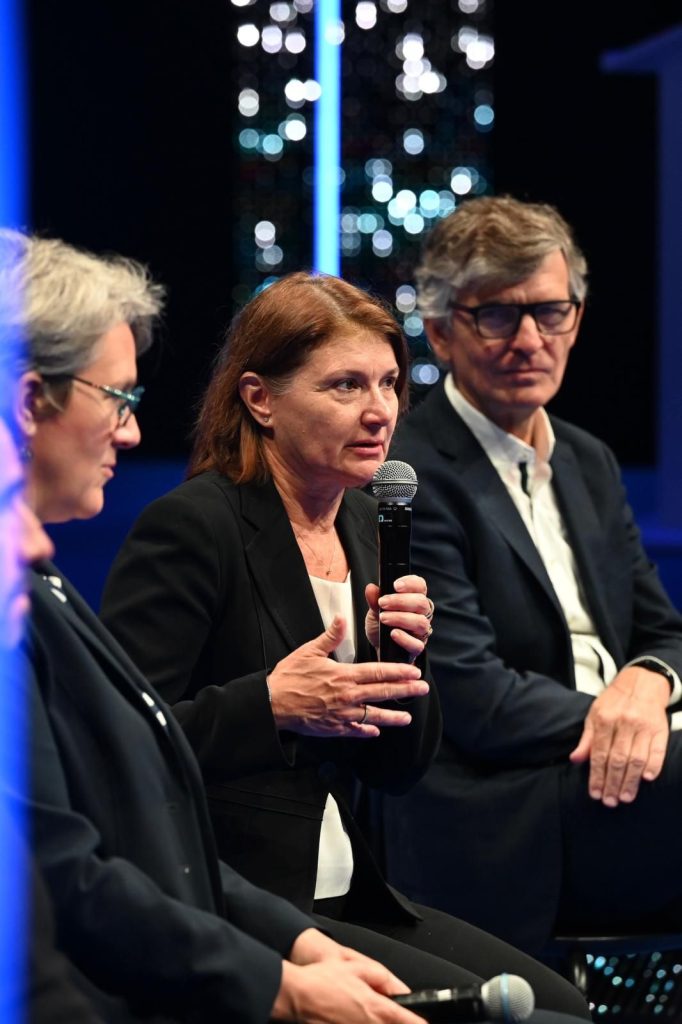
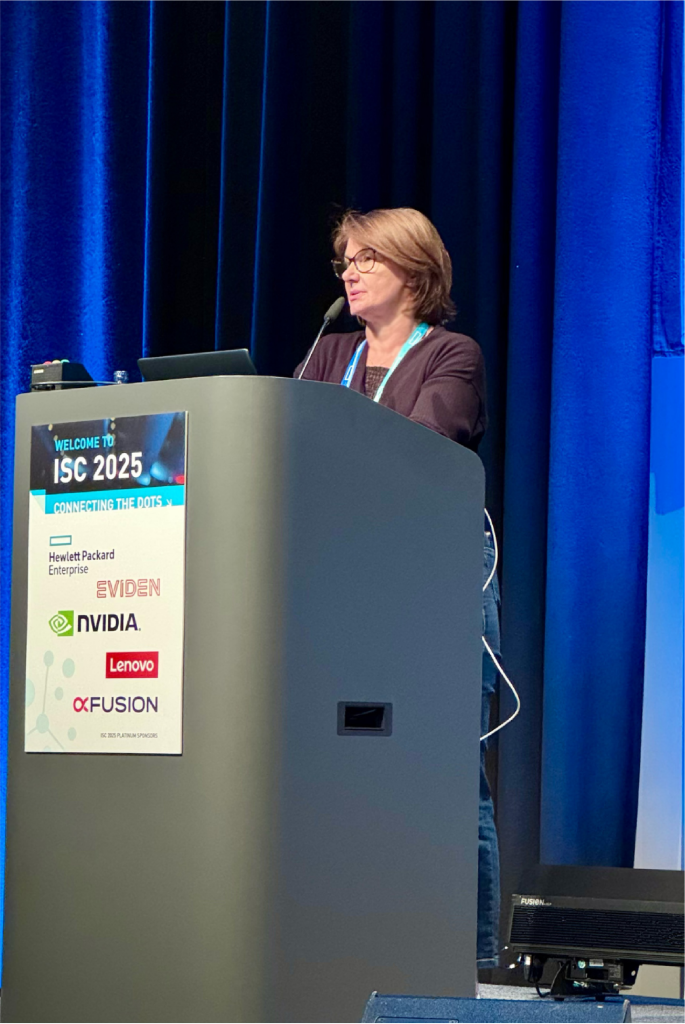
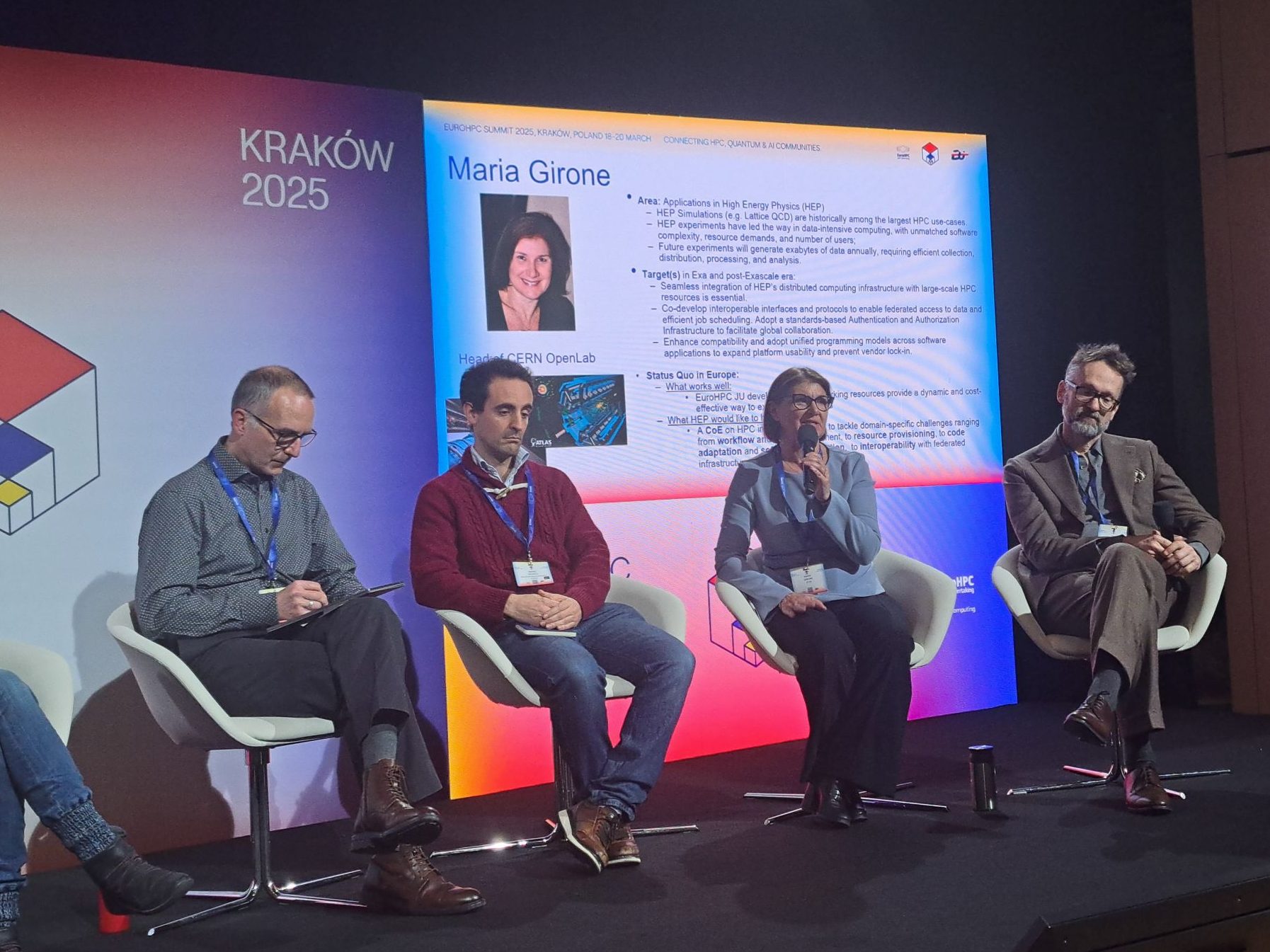
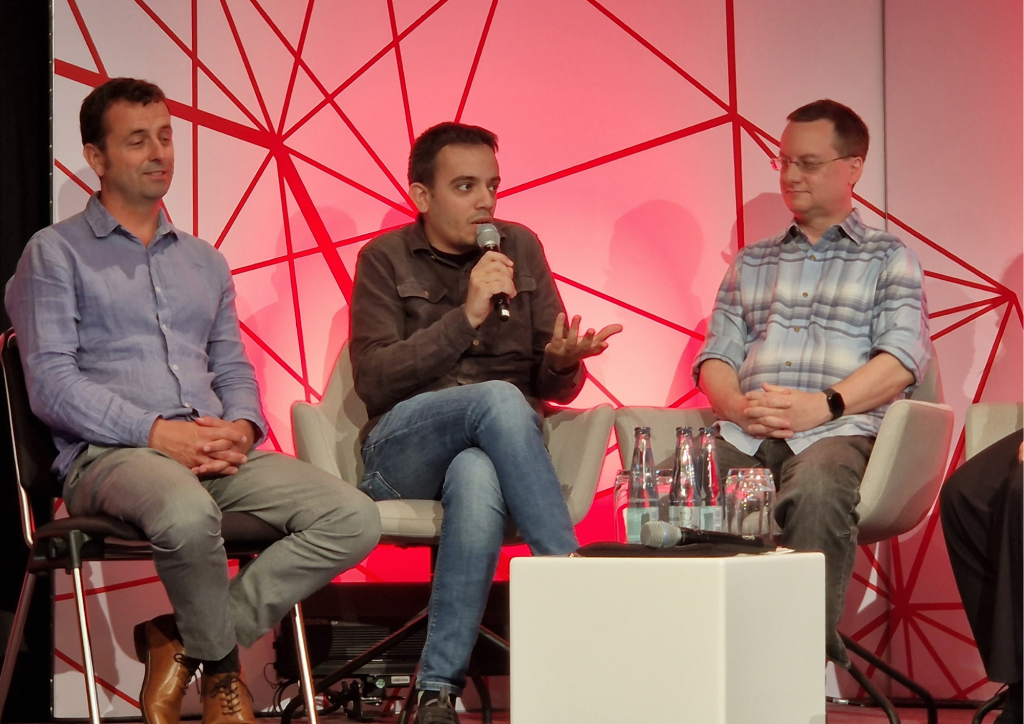
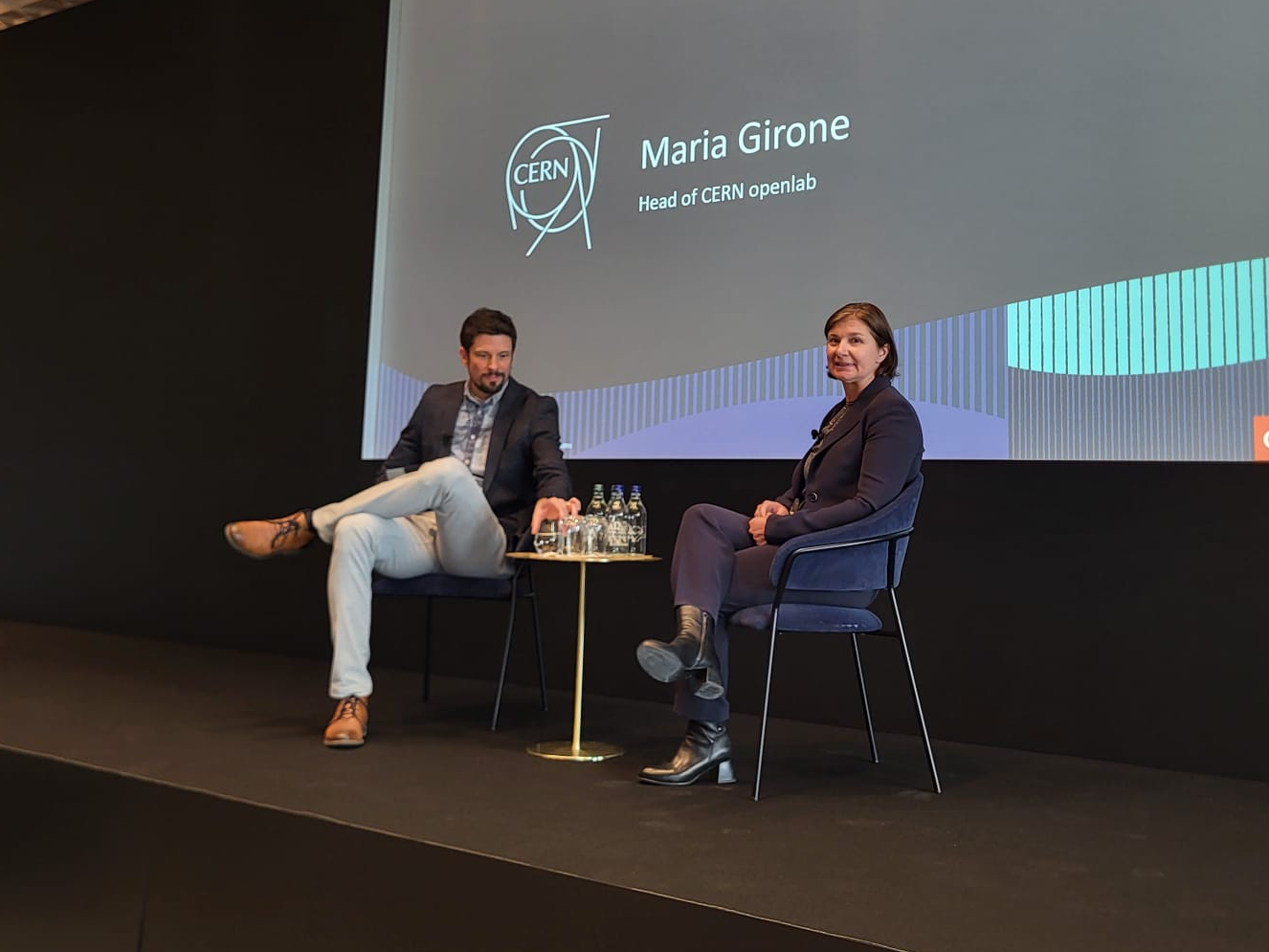
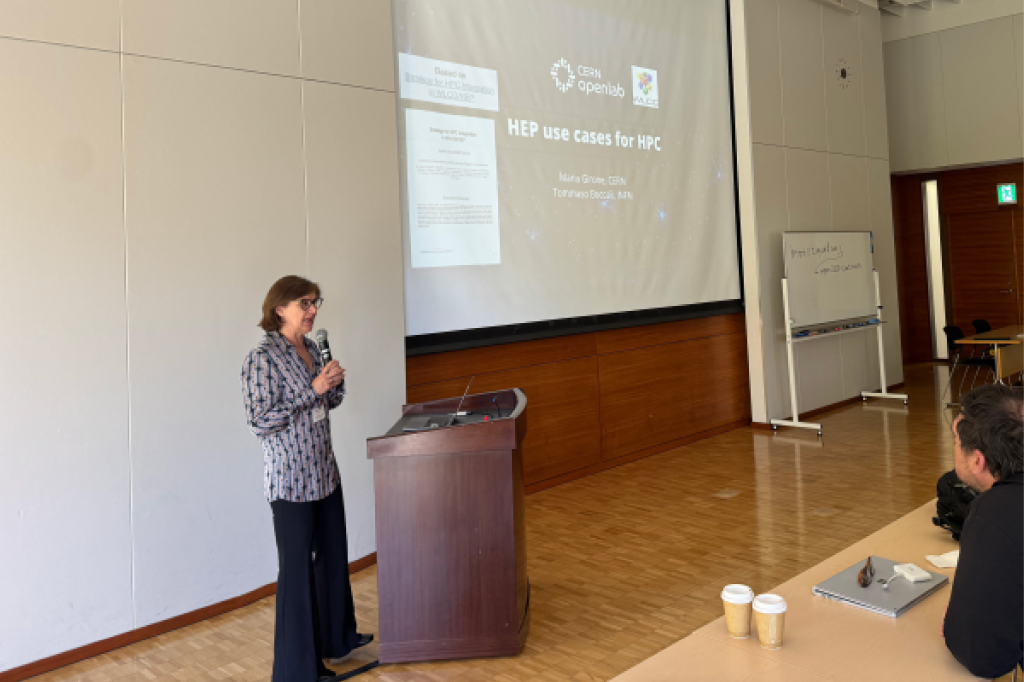
Throughout 2025, CERN openlab actively pursued outreach opportunities through participation in major international conferences and events, supporting the dissemination of results and engagement with the wider scientific and technological communities. CERN openlab representatives contributed through presentations, keynotes, and panel discussions at events such as the EuroHPC Summit and EuroHPC User Days, Oracle CloudWorld, the InPEx Workshop, ISC High Performance, and the PASC Conference. These engagements helped strengthen CERN openlab’s visibility, foster collaboration, and share insights on advanced computing, digital infrastructures, and emerging technologies with diverse international audiences.
ESPPU Contribution
CERN openlab also contributed to broader community efforts in 2025, including inputs to the European Strategy for Particle Physics Update (ESPPU) and contributions to the proceedings of CHEP24, supporting strategic reflection and knowledge dissemination within the high-energy physics and computing communities.
CHEP24 Contribution
Atzori, L., Girone, M., James, T., Mascetti, L., Nappi, A., Verder, K., Wulff, E. (2025). Industry–science R&D projects for the High-Luminosity LHC under CERN openlab. In EPJ Web of Conferences, 337, Article 01307. Presented at the 27th International Conference on Computing in High Energy and Nuclear Physics (CHEP 2024).
Digital Communication
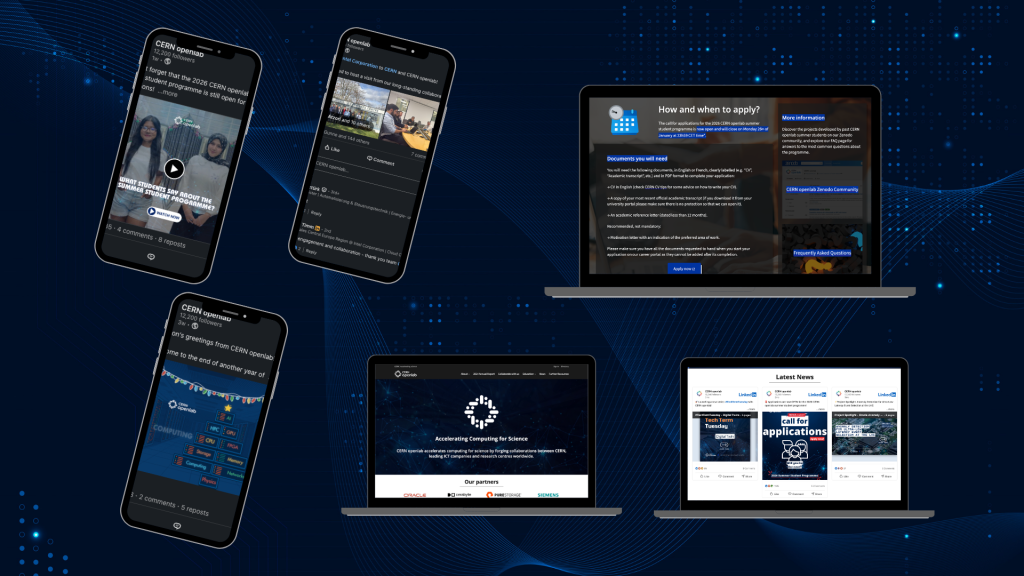
Digital communication plays a central role in CERN openlab’s outreach strategy, supporting visibility, transparency, and engagement with a broad scientific and technological audience. CERN openlab’s primary digital channels are its website and LinkedIn account, which together serve as key platforms for sharing news, project results, events, and opportunities. The website provides structured access to information on activities and collaborations, while LinkedIn enables timely updates and interaction with the wider research, industry, and innovation communities.
Website
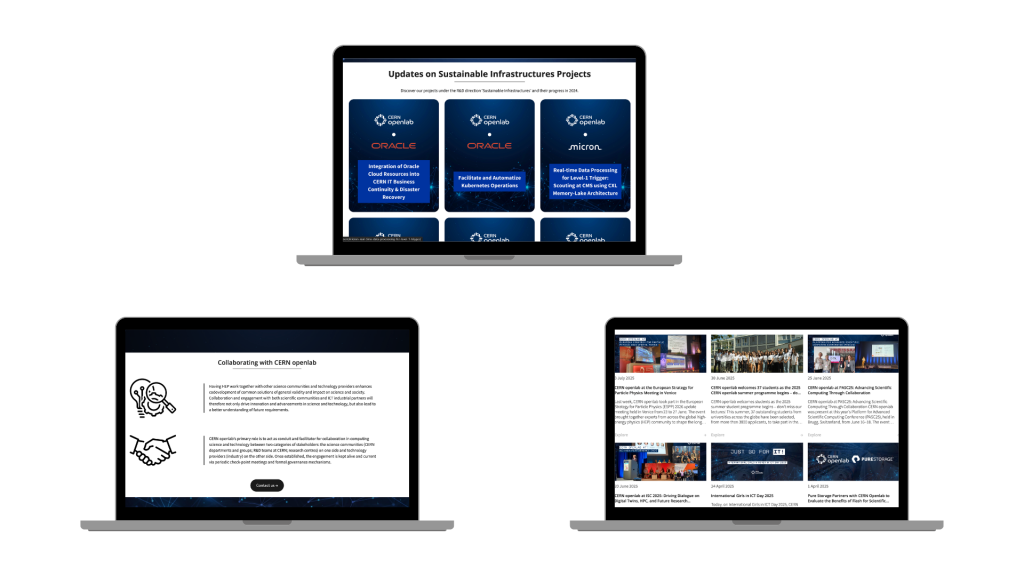
In 2025, CERN openlab completed the migration of its website from Drupal to WordPress, in line with CERN’s broader transition to a new web platform. This milestone enabled the launch of a renewed CERN openlab website with a refreshed visual identity and improved structure, designed to better reflect the programme’s activities and priorities. The new layout allows visitors to easily explore CERN openlab projects, access the latest news and updates from the homepage, and consult a digital version of the annual report. Overall, the new website strengthens CERN openlab’s digital presence, improves accessibility to information, and supports more effective communication with partners, collaborators, and the wider community. Between February 2025 and January 2026, the CERN openlab website counted with more than 40,000 visits.
LinkedIn has become a key communication channel for CERN openlab, supporting timely outreach and engagement with the wider scientific, technological, and innovation communities. The CERN openlab LinkedIn account was launched in July 2024 and saw significant growth throughout 2025, reaching more than 10,000 followers and generating over one million impressions. Through regular updates highlighting projects, events, collaborations, and opportunities, LinkedIn has strengthened CERN openlab’s digital visibility, enabled broader dissemination of activities, and fostered interaction with partners, researchers, and stakeholders worldwide.
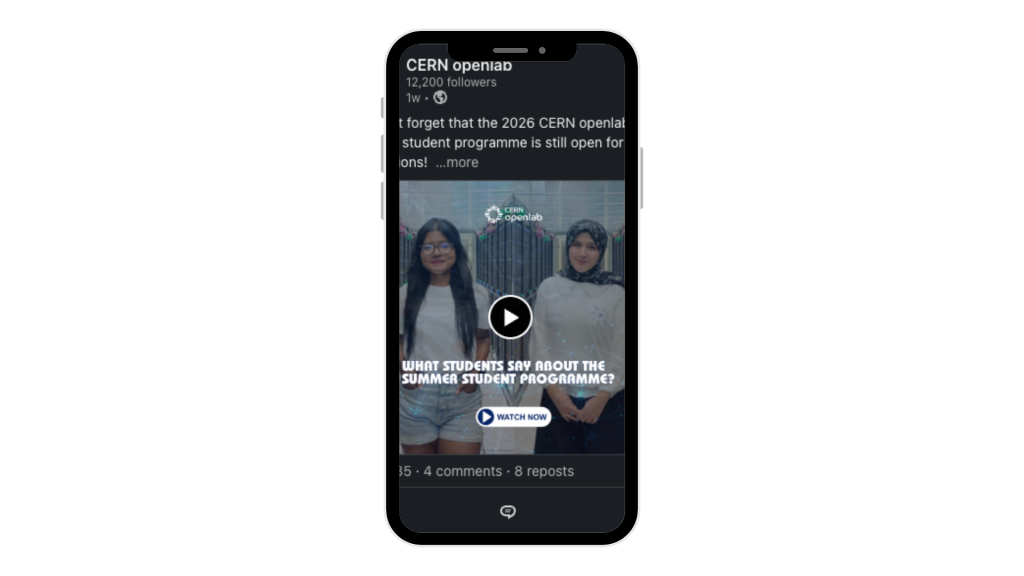
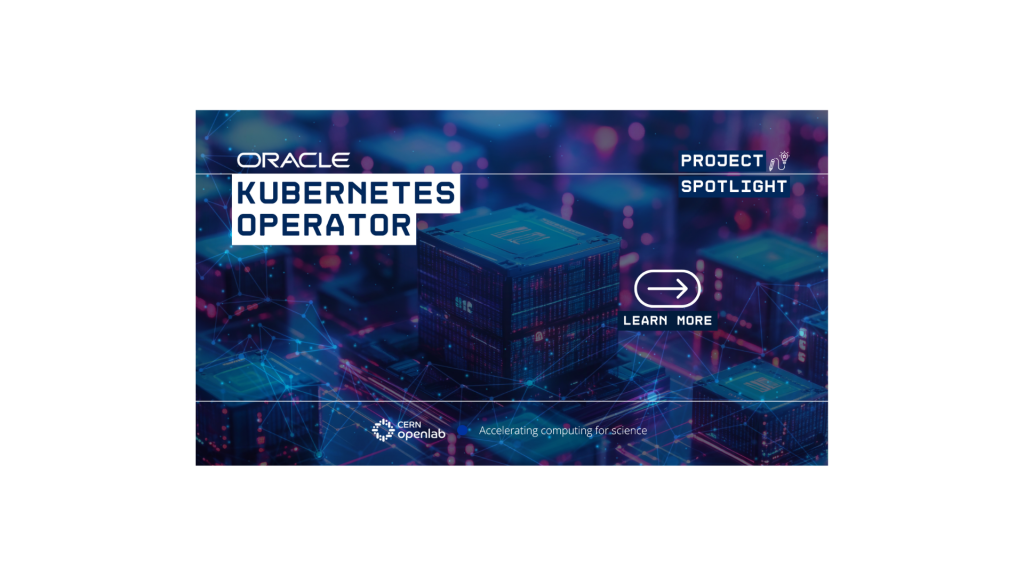
In 2025, CERN openlab planned and implemented multiple targeted LinkedIn campaigns to increase visibility and engagement across its activities. These included dedicated campaigns for the CERN openlab summer student programme and the ‘Meet the Team’ series, highlighting both opportunities and the people behind CERN openlab. In addition, new recurring formats were introduced, such as ‘Project Spotlight’, which showcases CERN openlab projects through videos and slideshows, and ‘Tech Term Tuesday’, designed to explain computing concepts in a clear and accessible way. Together, these initiatives supported consistent storytelling, broadened outreach, and strengthened engagement with a diverse online audience.
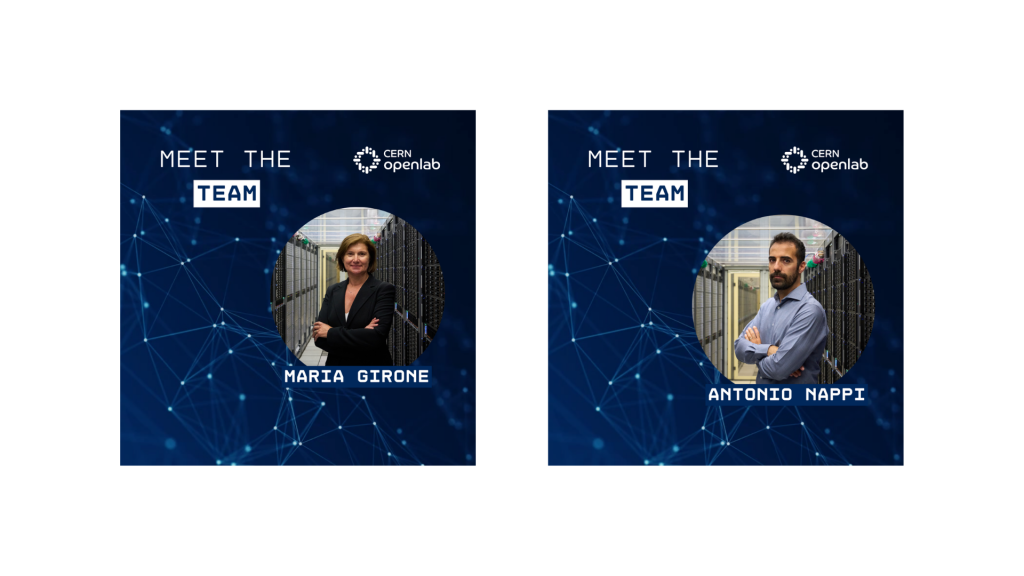
Meet the Team
‘Meet the Team’ was a LinkedIn campaign that highlighted the people behind CERN openlab, showcasing their roles, expertise, and contributions to the programme and its collaborative projects
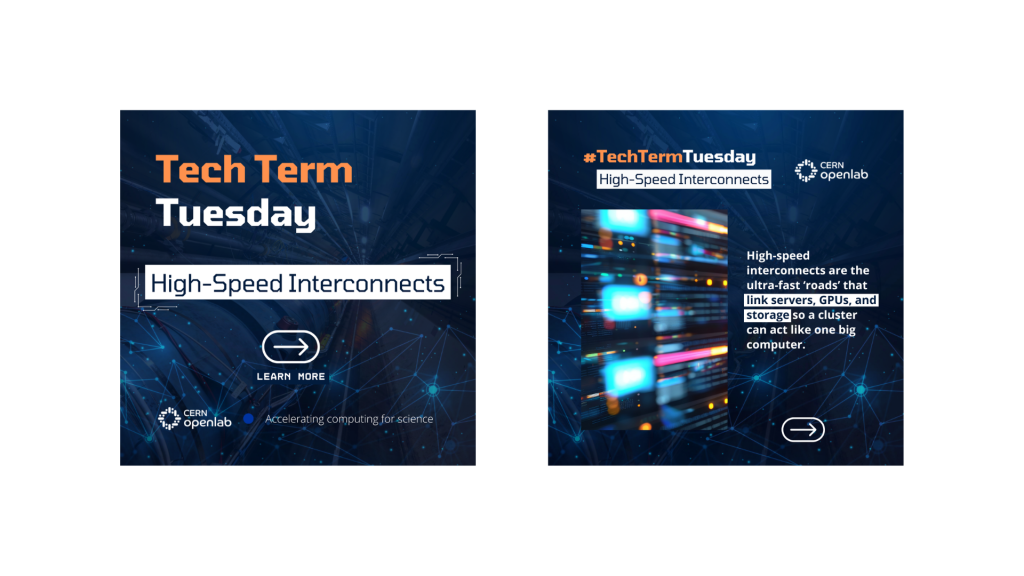
#TechTermTuesday
‘Tech Term Tuesday’ is a recurring LinkedIn campaign designed to demystify computing and digital technologies by presenting key technical terms in a clear, accessible format for a broad audience.
Project Spotlight
Project Spotlight is a LinkedIn campaign that features CERN openlab projects through short videos and visual content, highlighting their goals, progress, and technological impact in an accessible way.
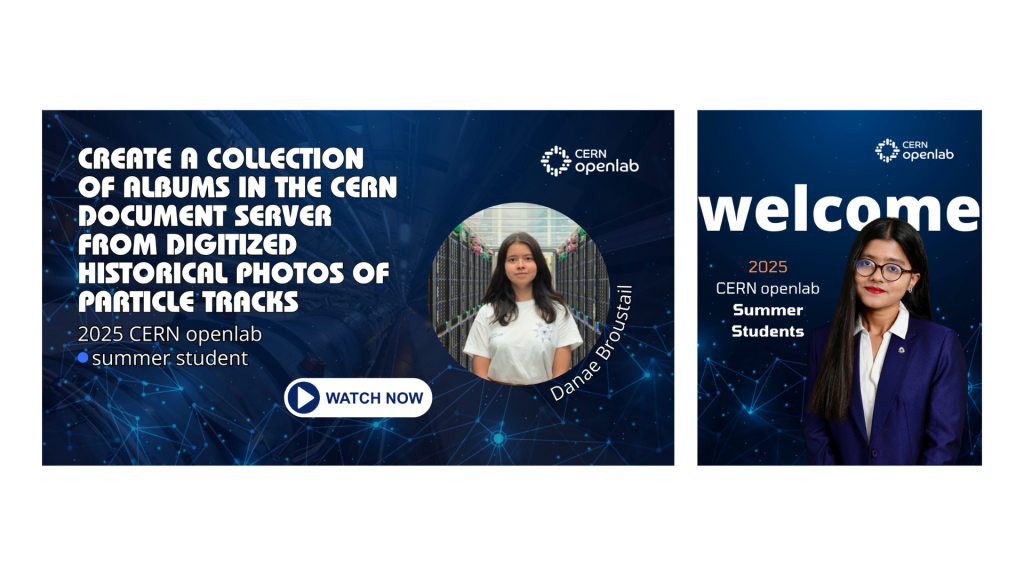
2025 CERN openlab Summer Students
The 2025 CERN openlab summer student programme was highlighted through a dedicated LinkedIn campaign, showcasing student projects and experiences.
Outreach Materials
CERN openlab produces a range of outreach materials to support the clear communication of its activities, results, and collaborations. These materials include news articles, videos featuring project outcomes and industry partners, promotional assets, and the annual report, all designed to present technical work in an accessible and engaging way. Together, they support knowledge dissemination, enhance visibility, and ensure that CERN openlab’s research and partnerships are effectively communicated to a wide range of audiences.
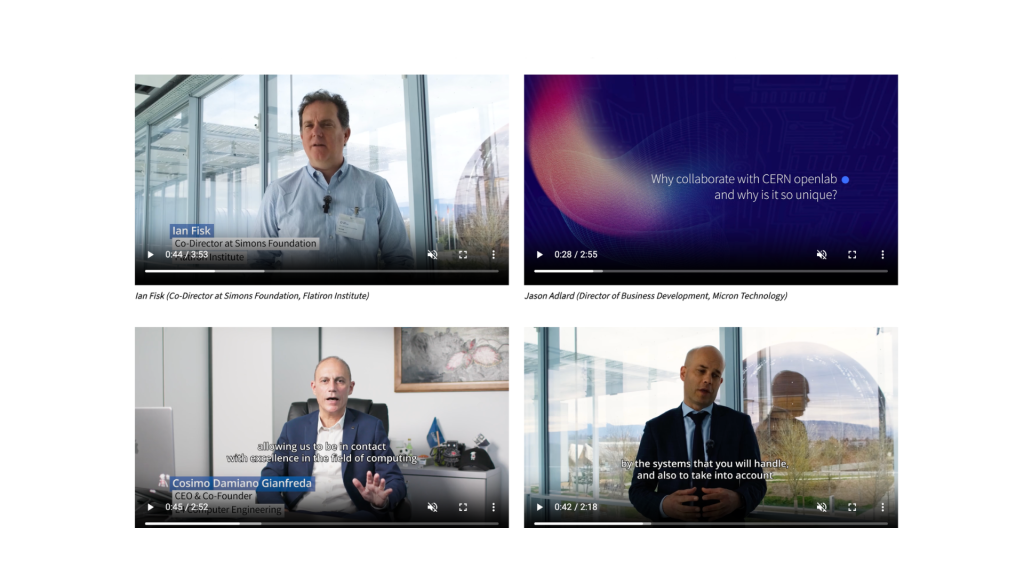
Videos with Industry
CERN openlab also produced a series of videos with industry partners, highlighting collaborative projects, shared expertise, and the impact of public–private partnerships in advancing scientific computing.
Annual Report
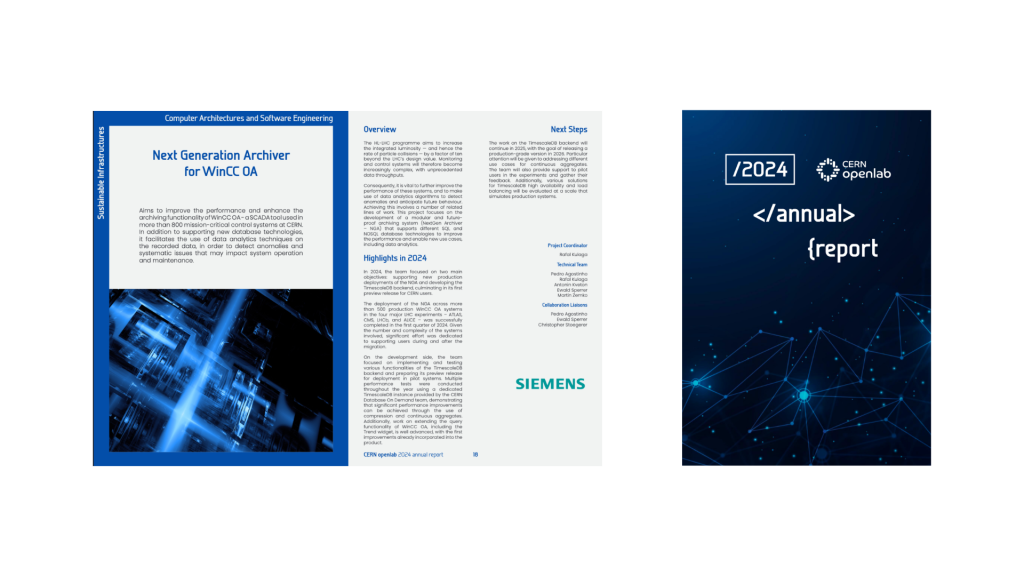
The CERN openlab Annual Report provides a comprehensive overview of activities, projects, and partnerships, serving as a key reference for communicating results and impact to the wider community.
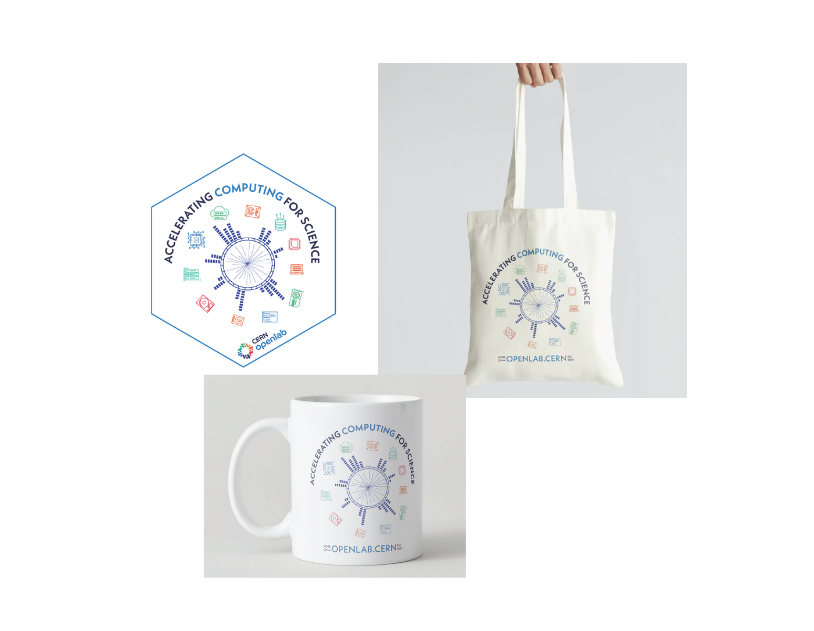
Promotional Items
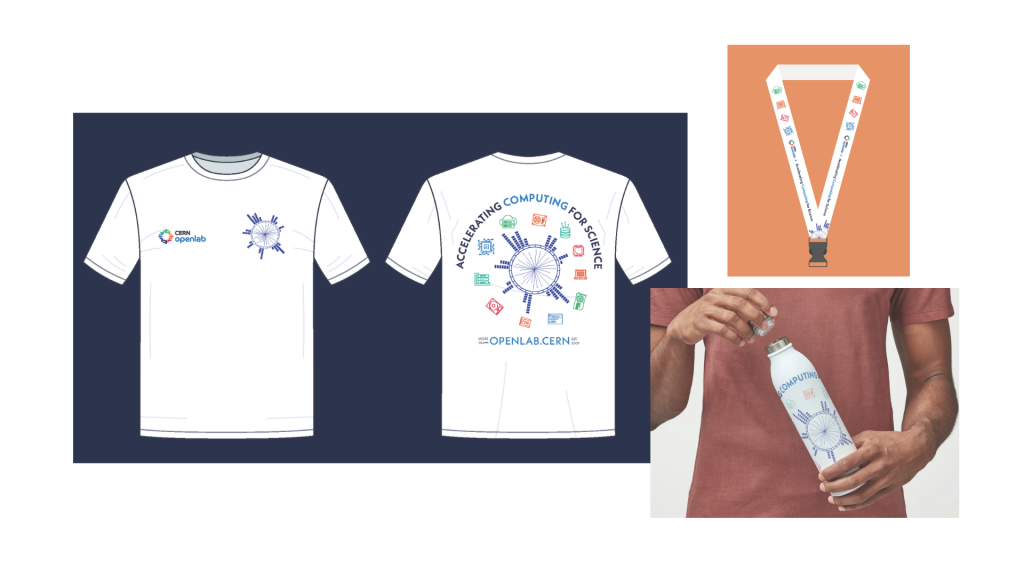
In 2025, CERN openlab developed a new range of promotional items (including T-shirts, tote bags, water bottles, mugs, and lanyards) to support outreach activities, increase visibility, and reinforce the project’s visual identity at events and within the community.
With thanks to
All partners who have collaborated with CERN openlab activities and everyone who has contributed to the content and production of this document & webpage.