
Anomaly Detection for Ultra Low Latency Event Selection at the LHC (ATLAS Experiment)
In collaboration with

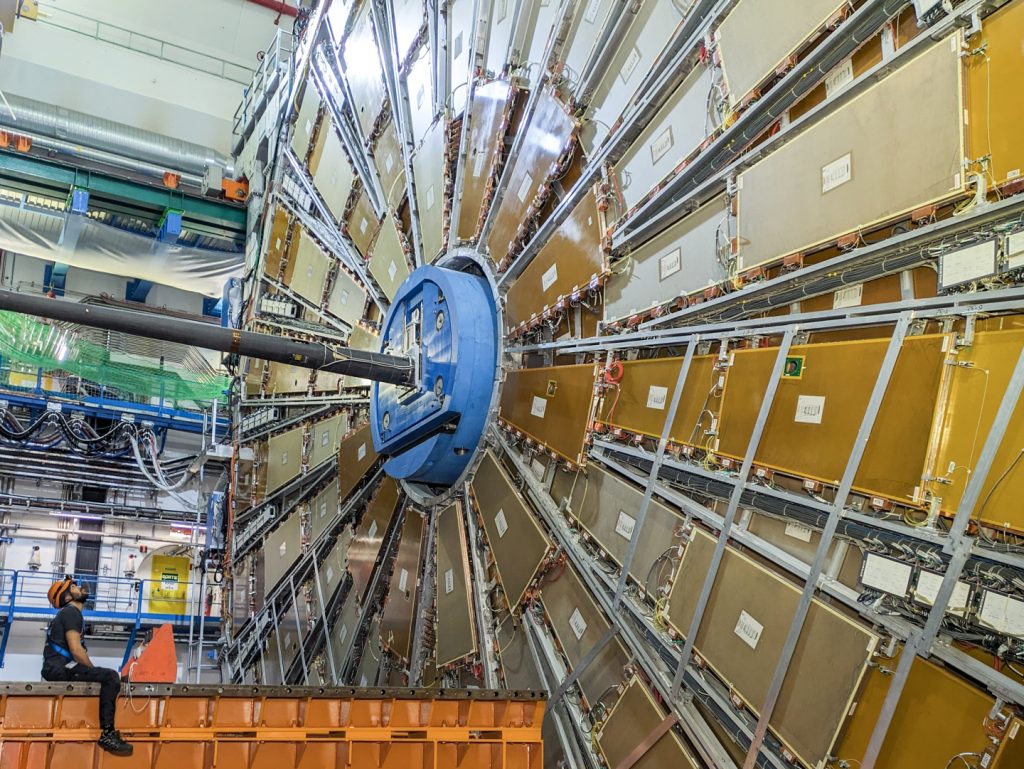
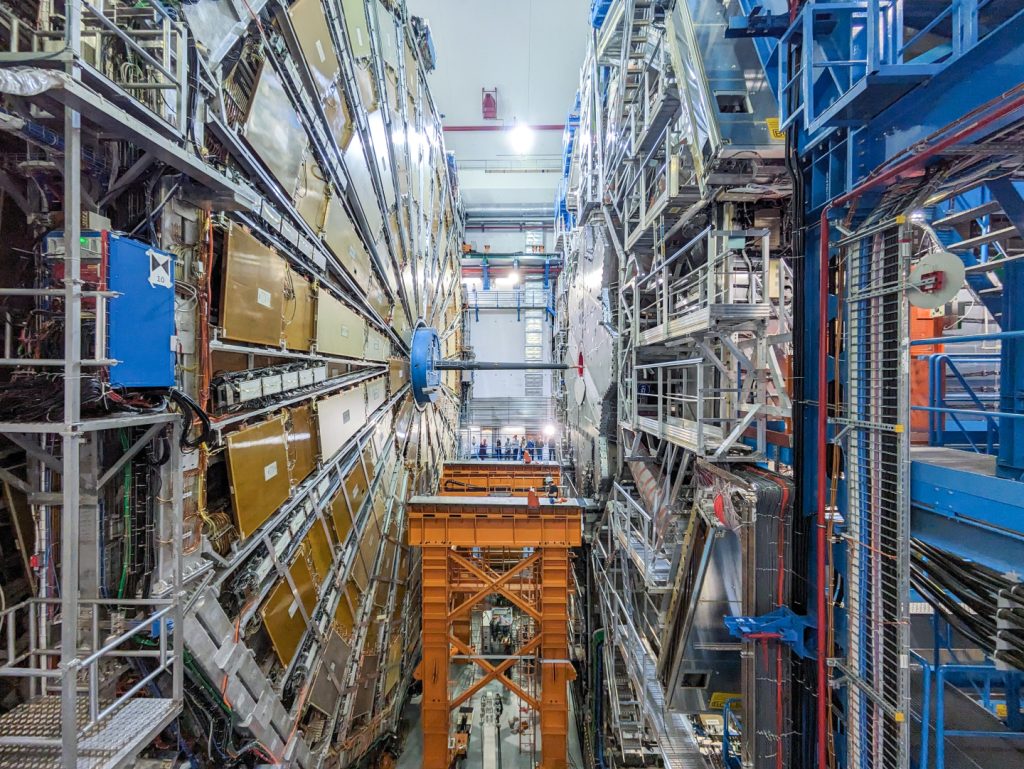
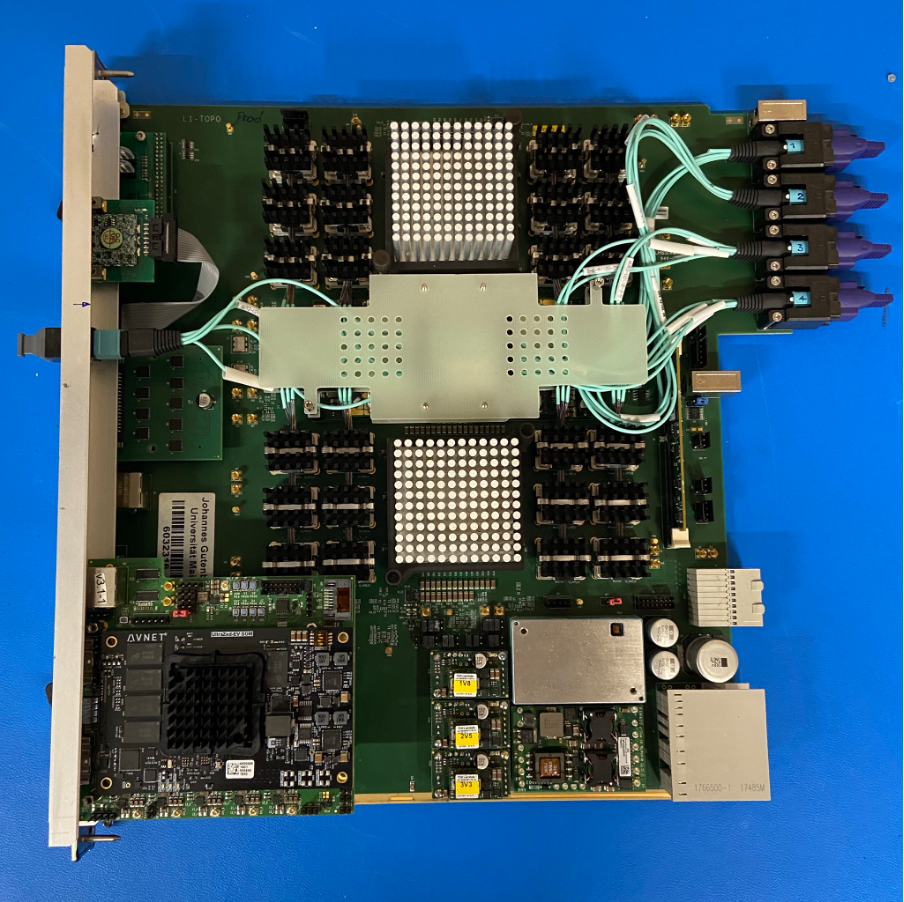
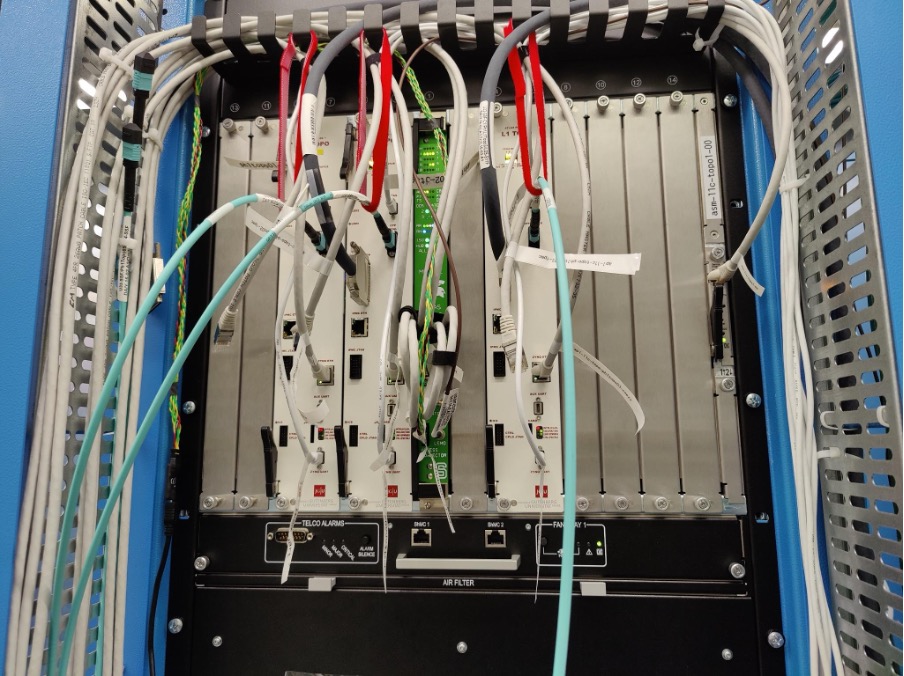
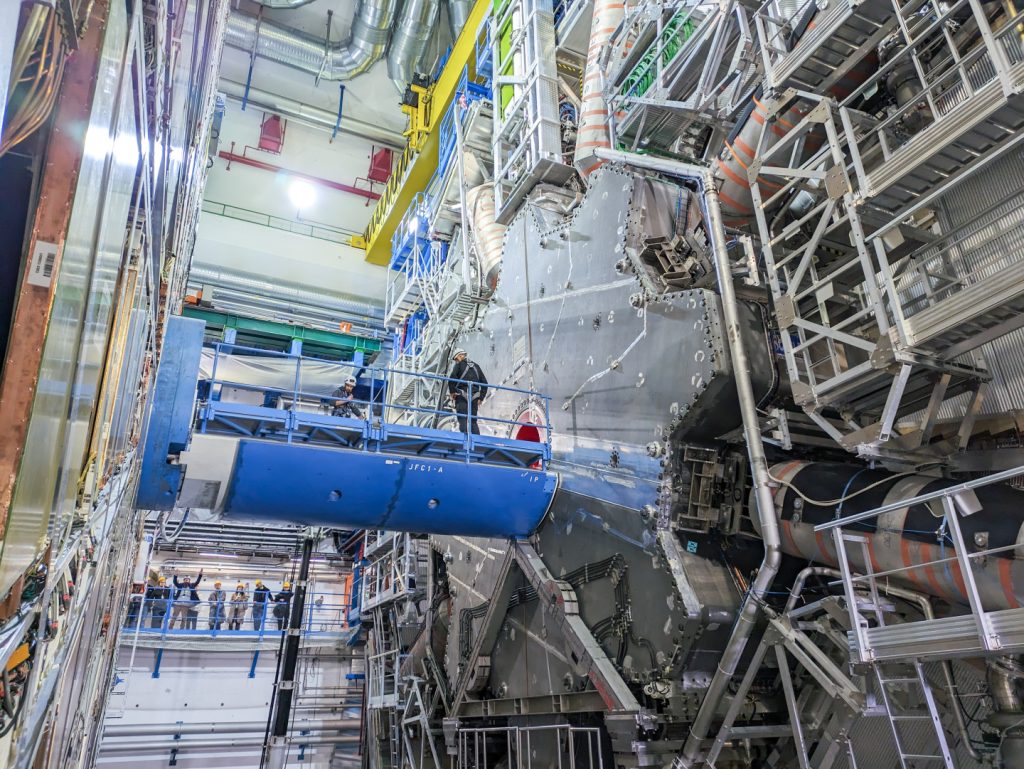
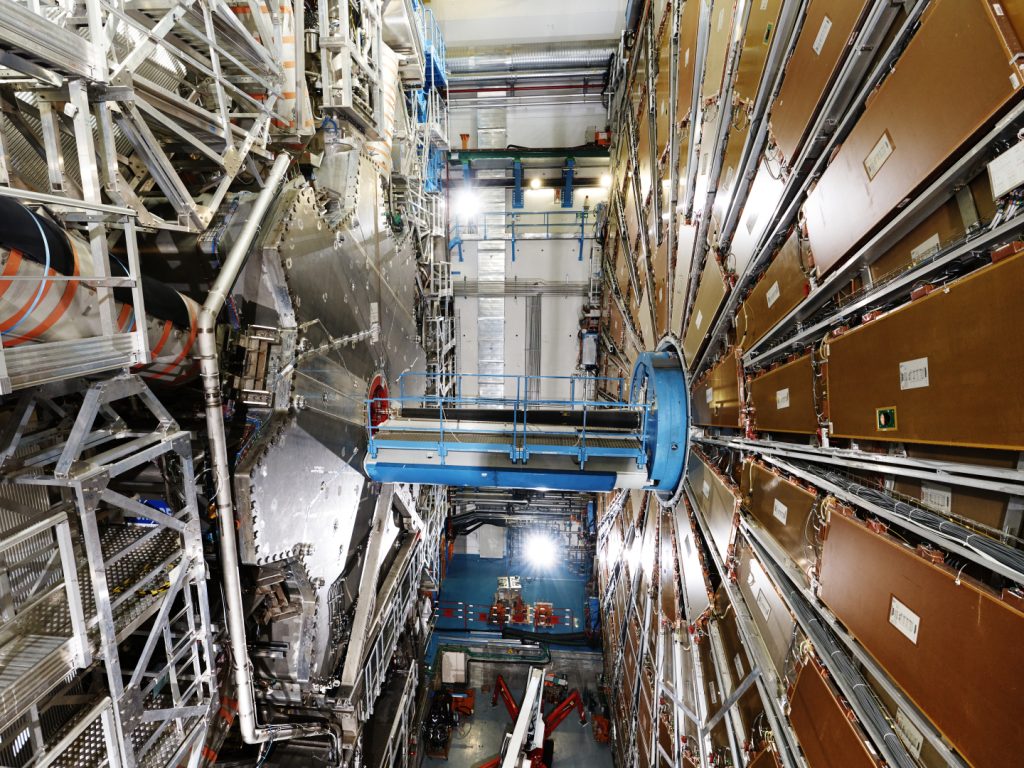
This project aims to implement anomaly detection algorithms on FPGA devices in order to look for physics that may have been missed with standard trigger techniques. From the ATLAS side, the goal is to implement various anomaly detection algorithms in one of the FPGAs of the existing L1Topo trigger and validate them using LHC data from 2026. The knowledge and experience acquired during this process will be of use for the Upgrade stage of the project, which will consist of developing anomaly detection algorithms for the High Luminosity LHC. The CMS and ATLAS experiments are working together to share experience and pitfalls, making use of this solution already during the Run-3 at the LHC.
Overview
Extensive use of AD algorithms is foreseen in High Luminosity LHC. This work will allow to test some first prototypes using real-time LHC data, before the Long Shutdown 3 starting next year. They are being deployed in the ATLAS hardware trigger, built on FPGAs and designed to work at a very low latency (the latency envelope requirement is about 25ns. This effort will provide the operational experience needed to fully profit from this technology in the future.
Highlights in 2025
From the ATLAS side, during 2025 all the software and firmware tools used to train, translate, synthesise and implement the model in custom hardware have been tested and well understood.
These include TensorFlow and Keras for floating-point training, QKeras for quantisation-aware training, hls4ml for user-friendly Python to HLS translation, AMD Vitis™ HLS to generate the RTL design and AMD Vivado™ for synthesis and implementation in the AMD (Xilinx) FPGA.
A first model was deployed this year and is currently in operation in the ATLAS Experiment data flow. A second model has been developed in parallel to test possible enhancements and is planned to be deployed for the 2026 data-taking period.
Next Steps
The next steps include completion of performance and validation studies of the model deployed in 2026 and start contributing to the design of a new wave of anomaly detection algorithms within the frame of the High Luminosity upgrade, in the L0Global subsystem in particular (https://atlas-l0global-docs.web.cern.ch/gbl-overview/index.html).
Publications & Presentations
S. Veneziano, Anomaly Detection for Ultra Low Latency Event Selection in ATLAS (4 March 2025). Presented at CERN openlab Technical Workshop, Geneva, 2025.
Technical Team
Paula Martinez Suarez, Stefano Veneziano, Ralf Gugel (Mainz University)
Project Coordinator
Stefano Veneziano
Collaboration Liaisons
John Lathouwers, Ludovico Caldara, Sengul Chardonnereau, Audrey Poulin, Cris Pedregal, Garret Swart, Arno Schneuwly, and Dan Tow