
Investigation of Anomaly Detection Algorithms for Filtering Events with Microseconds Latency in the ATLAS Hardware-Level Trigger
In collaboration with

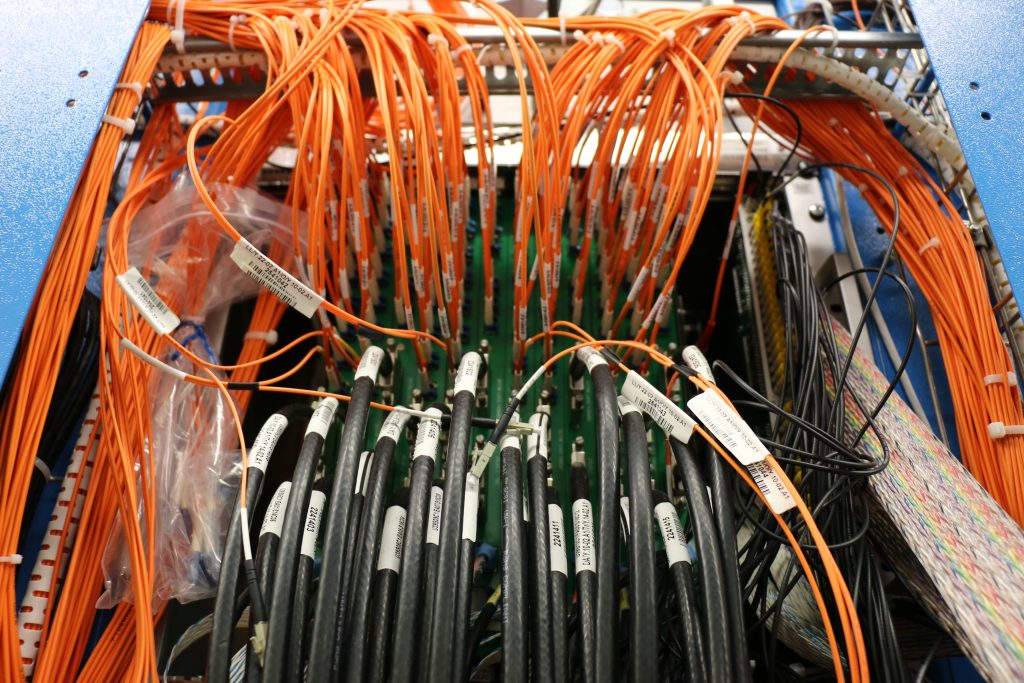
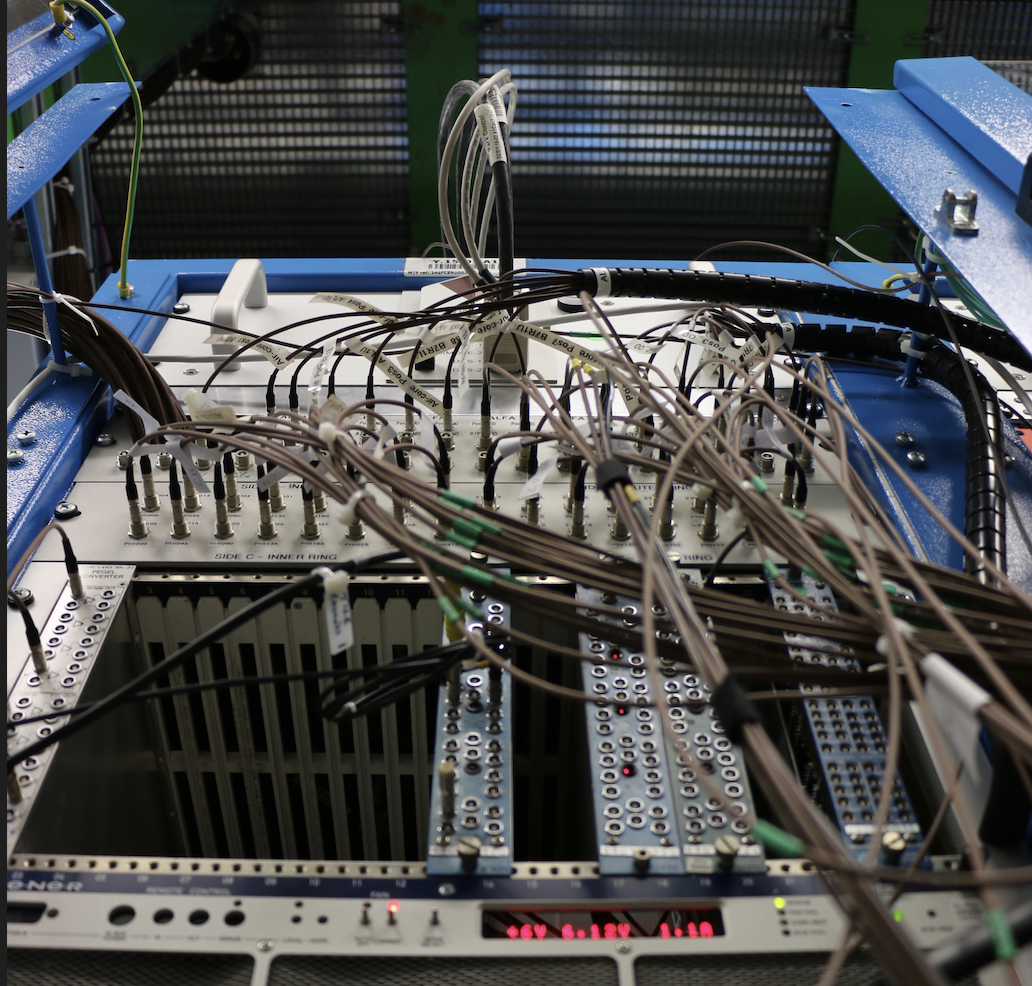
This project aims to evaluate the robustness of a candidate data-driven autoencoder-based anomaly detection algorithm for use at the ATLAS hardware trigger, which performs real-time event selection to save only the events deemed most interesting. This work tests the sensitivity of the algorithm across a variety of physics processes and explores new methods for increasing sensitivity to anomalous events occurring at low energy or low multiplicity, which are more easily obscured by background.
Overview
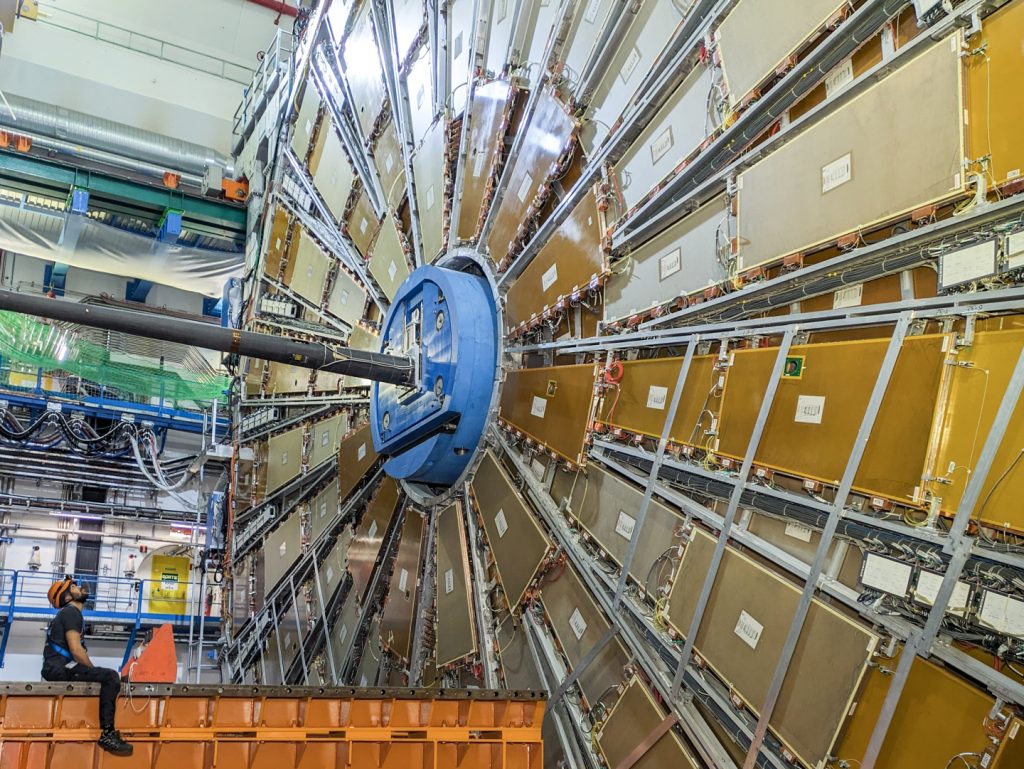
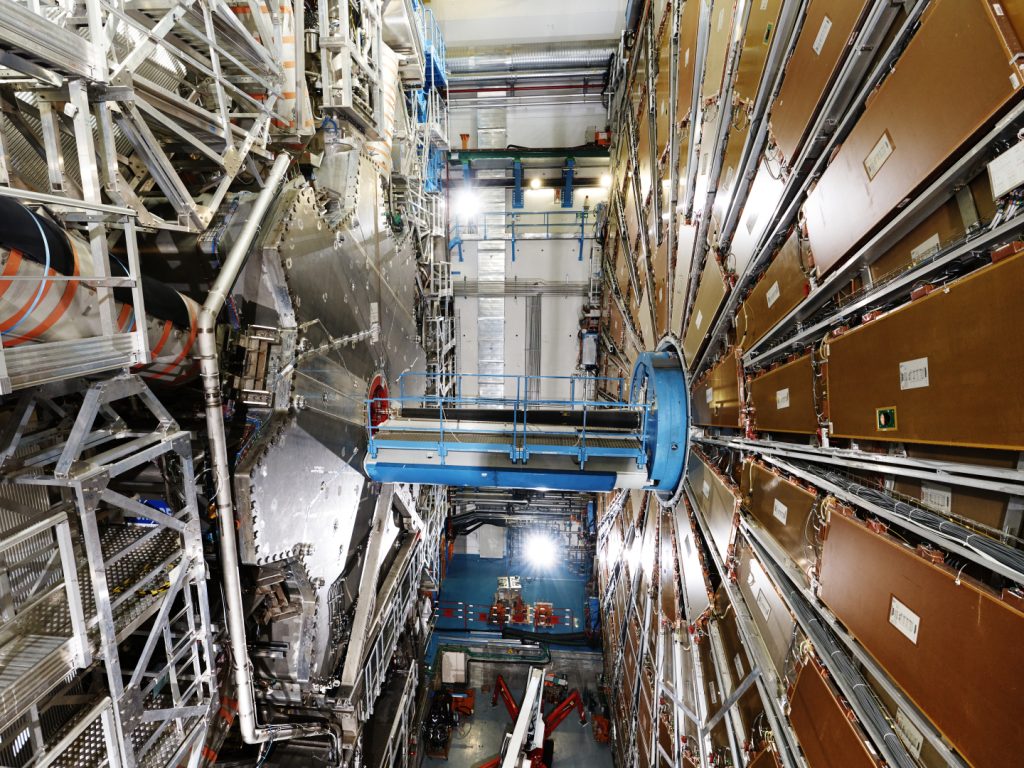
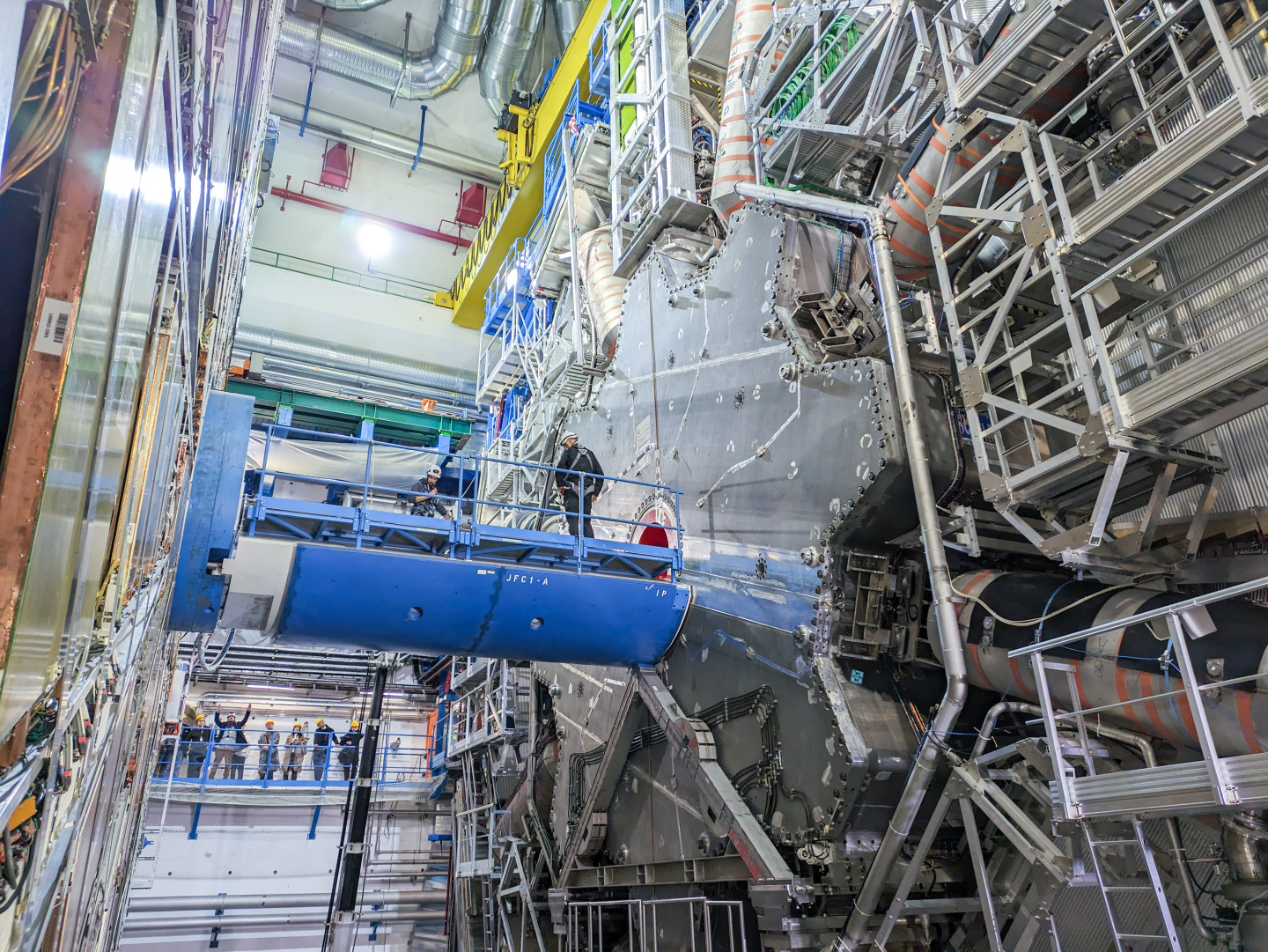
The ATLAS detector has a data throughput of O(PB/s), far too high for persistent storage of the full read-out, necessitating real-time event selection and substantial data reduction via the Trigger and Data Acquisition system. The trigger reduces the event rate by a factor of 400, admitting only the “most interesting” events for detailed analysis. What the trigger defines as “interesting” directly modulates the physics accessible to the ATLAS collaboration, making it vital to ensure that events signalling new physics are not systematically discarded.
Highlights in 2025
Data analysis was carried out to quantify biases in the autoencoder algorithm with respect to L1 trigger variables, such as particle multiplicities and energies.
Further analysis quantified the sensitivity of the autoencoder to 11 different interaction types, representing a first step towards understanding what the model classifies as “anomalous.”
A preliminary implementation of a post-hoc debiasing algorithm was developed and subjected to initial bias tests. This approach aims to connect what the autoencoder identifies as anomalous, given its training data, with what is considered physically interesting once known data biases are taken into account.
Next Steps
The preliminary implementation of the post-hoc debiasing algorithm requires more extensive validation, which will be carried out in early 2026. As the project is exploratory in nature, further studies will investigate alternative or complementary approaches to maximising the robustness of data-driven hardware trigger algorithms, with a view towards potential adaptation into future trigger development.
This project is part of a 6-month collaboration with UCL Centre for Data Intensive Science and Industry.
Project Coordinators
Paula Martinez Suarez, Stefano Veneziano
Technical Team
Paula Martinez Suarez, Ioannis Xiotidis, Tara Tahseen
Collaboration Liaisons
Nikos Konstantinidis, Noah Clarke-Hall