
Evaluation of Cerabyte – Archival Data Storage Technology Using Ceramic Nanolayers
In collaboration with
This project will allow CERN to gain understanding of the possibilities and potential problems of the new archive storage medium using ceramic nanolayers. It represents an opportunity to provide feedback and to guide the development of this technology in a way that is beneficial to CERN.
Overview
Currently tape is CERN’s archival storage medium of choice, due to its characteristics of reliability, durability and price. While the roadmap for tape is encouraging, tape as a technology is exposed to certain market risks, and CERN should always have an eye on the development of possible alternatives and likely evolution of archival storage.
For many years, IT-SD group has actively engaged with companies doing R&D in innovative storage technologies, including DNA, archive glass and ceramic. At this point, ceramic seems to be the most likely contender to achieve sufficient I/O rates to be useful, within a reasonable time frame (~10 years). The success of this technology would represent a disruptive change to the landscape.
Highlights in 2025
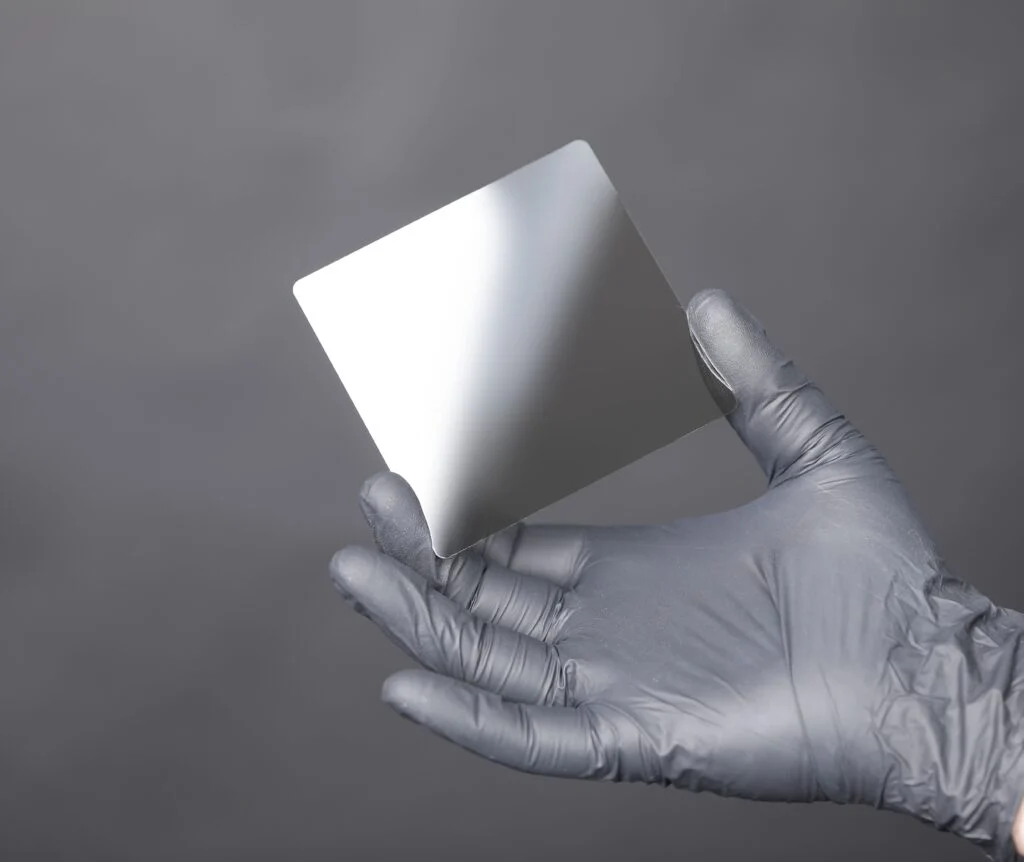
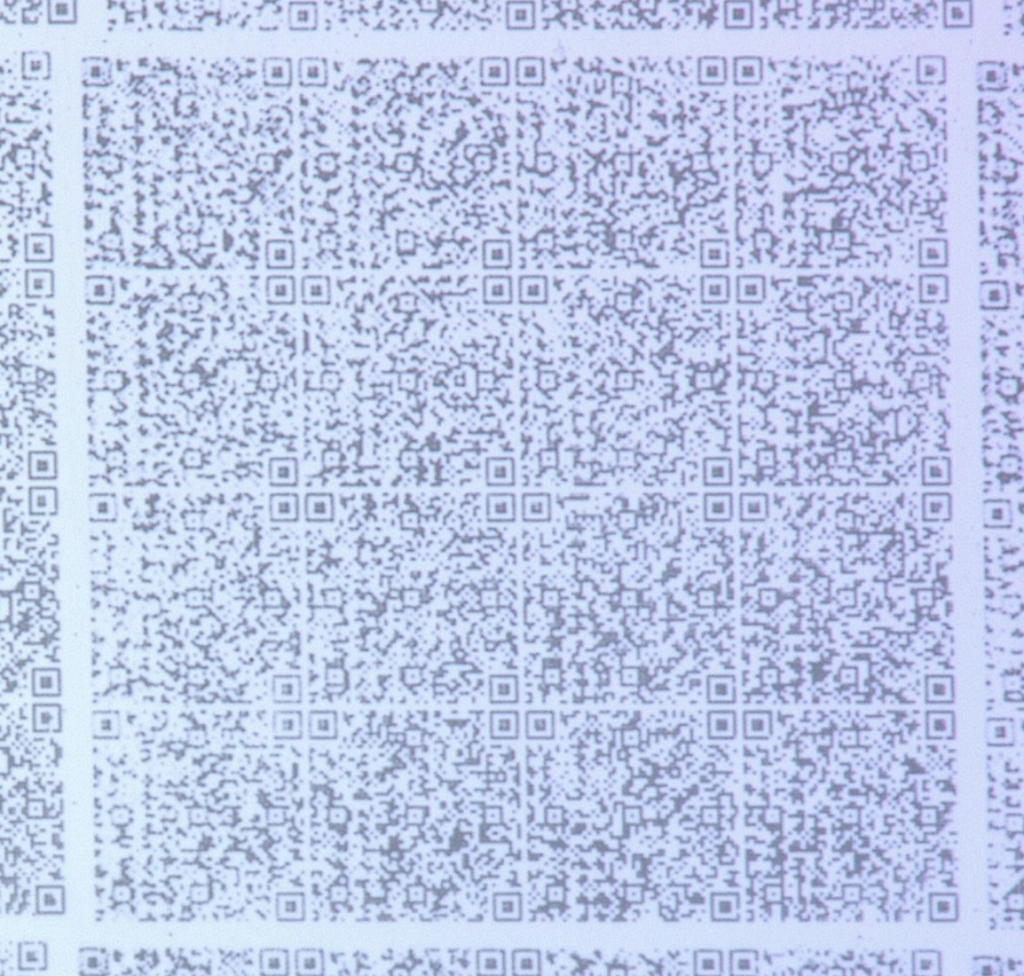
In 2025, CERN received first samples of ceramic glass data carriers from Cerabyte. These contained data encoded in QR codes. The purpose of the exercise was to understand the physical and noise characteristics of this new medium.
With the help of the Mechanical and Materials Engineering Group from the CERN Engineering Department we gained access to a digital microscope KEYENCE VHX-7000 and with 500x magnification we were able to read and decode the data from the QR codes.
During the summer, CERN hired a student to work on improving the speed of the QR detection to industrial scale. He managed to optimize the WeChat QR code decoding algorithm for GPU and reached around 18000 QR code detections per second.
In August 2025, CERN technical team visited Cerabyte’s lab in Vienna, Austria.
Next Steps
As the project came to the end of the original 24-month agreement during 2025, both sides agreed on extending it for another 24 months. Once the legal aspects are clarified, the collaboration will continue by focusing on the following areas:
Development of a reliability model for Cerabyte’s read/write process by optimizing QR code selection, placement, and erasure coding as a function of the system’s raw bit error rate characteristics.
Development of an open, self-describing format to ensure the long-term reliability of data written with this technology.
Demonstration of write and read of CERN data.
Publications & Presentations
M. Solitan: Optimizing QR Code Decoding for Cerabyte’s Ceramic Data Storage (19 August). Presented at CERN IT-SD group meeting, Geneva, 2025
Technical Team
Vladimir Bahyl, Mostafa Solitan
Project Coordinator
Vladimir Bahyl
Collaboration Liaisons
Ed Childers, Sebastian Kirsch, Martin Kunze