
Accelerating the generation of large high-energy scattering event samples using Signaloid’s distribution-based computing technology UxHw®
In collaboration with

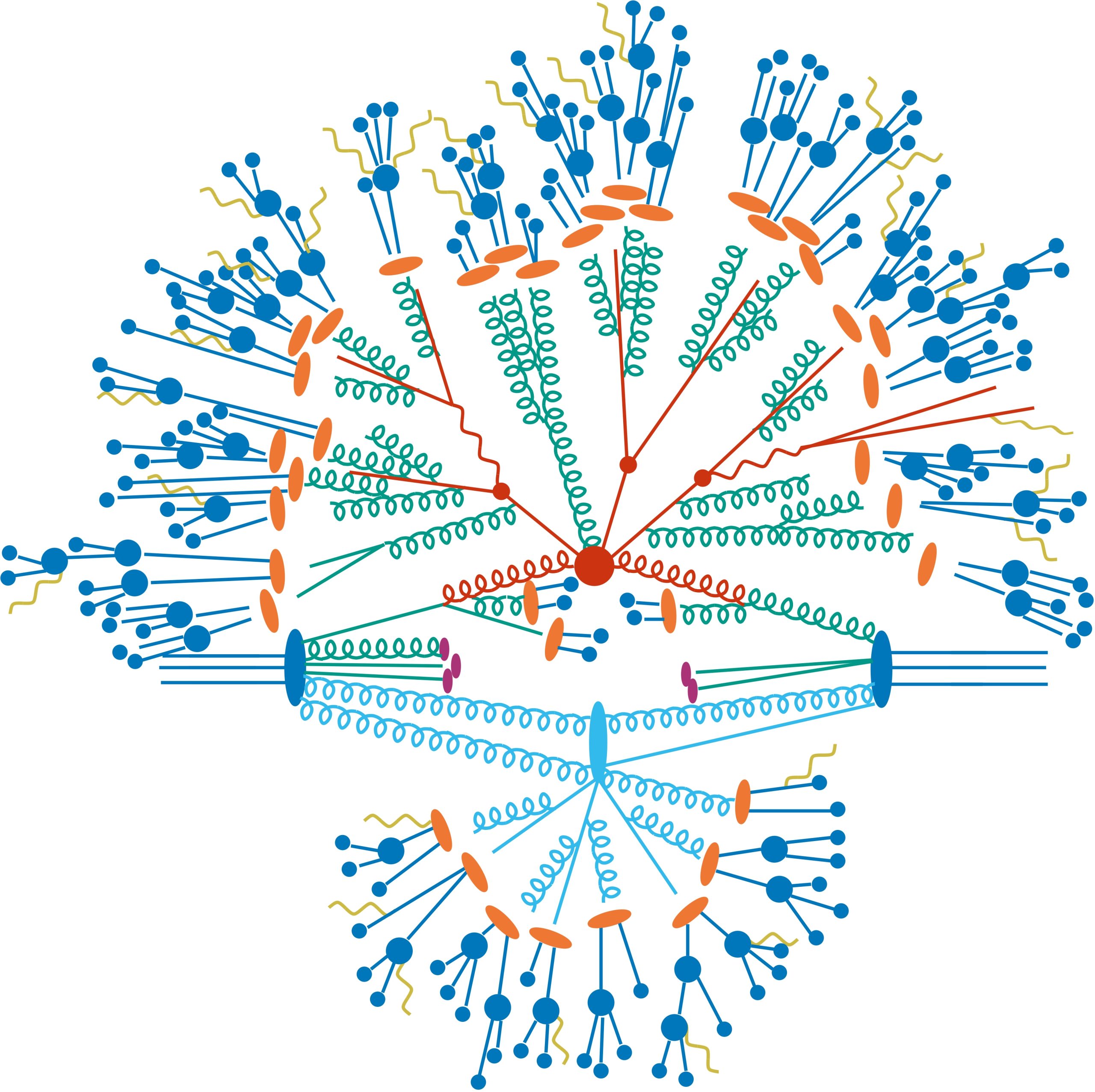
High-energy physics simulations depend on computationally intensive Monte Carlo sampling to model particle interactions. Distribution-based computing could greatly accelerate event generation, helping meet the demands of the High-Luminosity LHC within limited computing budgets.
Overview
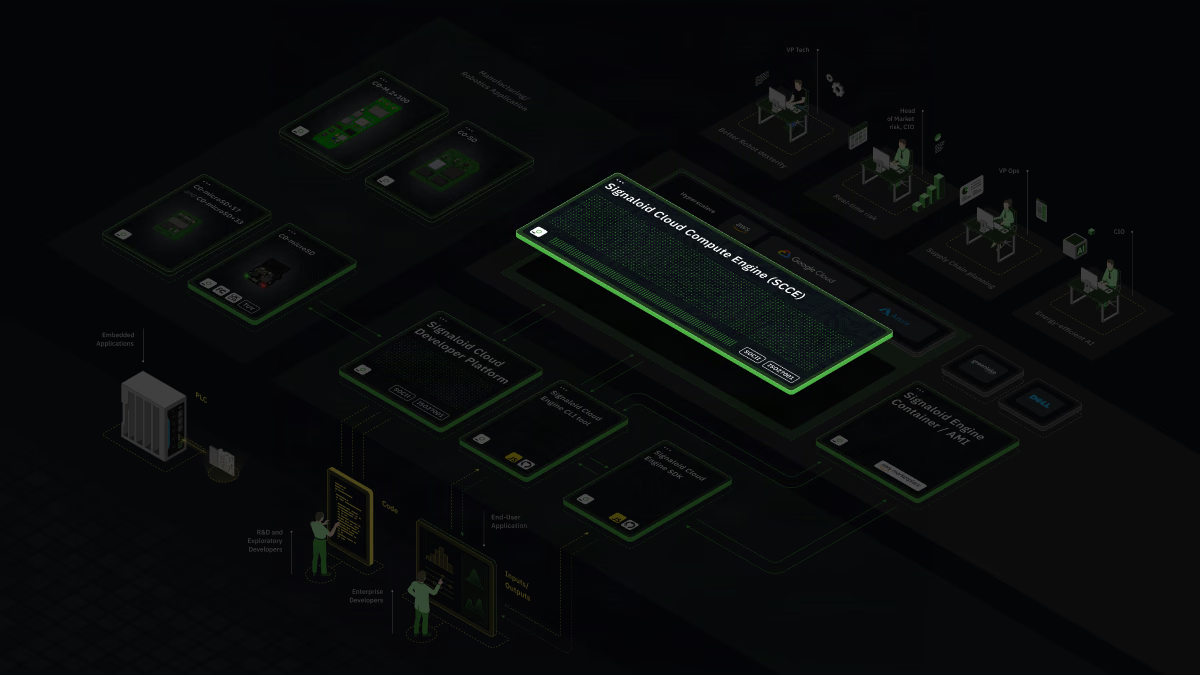
The project investigates whether Signaloid’s distribution-based computing technology (UxHw®) can accelerate simulated event sample generation for high-energy physics. A testbed implementing simplified algorithms of the Pepper event generator will be ported to Signaloid’s platform, and the matrix-element sampling for gluon production in proton-proton collisions (gg → ng) will be benchmarked against the original code in terms of numerical accuracy and computational cost.
Next Steps
The project will start in 2027, when a student will port the relevant testbed components to Signaloid’s platform and systematically compare numerical accuracy and computational cost before and after the transition. Time permitting, the work will be extended to the parton-shower simulation, testing the platform as an alternative to
Markov-chain-based Monte Carlo. The outcome will be a quantitative assessment of where distribution-based computing adds value in event generation for high-energy collider physics.
Project Coordinator
Enrico Bothmann
Technical Team
Enrico Bothmann, Stefan Roiser, Luca Atzori, Erica Løken
Collaboration Liaisons
Phillip Stanley-Marbell, Michael Selby, Fernando Pereira